2025 Guide: How to Buy Second Hand Brand Shoes Effectively?
Are you on the hunt for stylish footwear without breaking the bank? Look no further than the growing trend of purchasing second hand brand shoes. As sustainability becomes a pressing concern for many, buying pre-owned footwear not only helps in reducing waste but also allows savvy shoppers to score high-quality items at a fraction of the retail price. This guide aims to equip you with essential tips and strategies for effectively navigating the world of second hand brand shoes, ensuring you make informed decisions while adding unique pieces to your collection.

In the following sections, we will explore various aspects of buying second hand brand shoes, including how to identify genuine items, what factors to consider when assessing quality, and the best platforms for making your purchase. Whether you're an eco-conscious shopper or simply seeking premium shoes at affordable prices, our comprehensive guide will provide you with valuable insights to enhance your buying experience. Embrace the excitement of finding hidden gems among second hand brand shoes, and step confidently into a more sustainable future of fashion.
Understanding the Benefits of Buying Second Hand Brand Shoes
Buying second-hand branded shoes can be a smart and sustainable choice for fashion enthusiasts and eco-conscious consumers alike. One of the primary benefits is cost-effectiveness; these shoes often come at a fraction of the original retail price, allowing savvy shoppers to access high-quality brands without overspending. Whether you're searching for limited edition styles or classic designs, the second-hand market is a treasure trove for footwear lovers.
Moreover, purchasing used shoes contributes positively to the environment. By opting for second-hand options, consumers reduce waste and lessen demand for new production, which often entails significant resource consumption and carbon emissions. Additionally, buying pre-owned shoes can foster a unique style, as you’re more likely to find distinctive pieces that tell a story. This shift in approach not only enhances personal style but also promotes sustainable fashion practices in a world increasingly aware of its ecological footprint.
2025 Guide: How to Buy Second Hand Brand Shoes Effectively? - Understanding the Benefits of Buying Second Hand Brand Shoes
| Category |
Examples |
Benefits |
Considerations |
| Casual Sneakers |
Running Shoes, Lifestyle Sneakers |
Cost-effective, Unique selections |
Check for wear and tear. |
| Formal Shoes |
Leather Oxfords, Loafers |
Sustainable options, Less depreciation |
Ensure sizing accuracy. |
| Sports Shoes |
Basketball Shoes, Tennis Shoes |
Performance at a lower price, Eco-friendly |
Inspect for cushioning condition. |
| Designer Shoes |
High-end heels, Fashion boots |
Greater accessibility, Vintage finds |
Authenticate to avoid fakes. |
| Boots |
Rain Boots, Hiking Boots |
Durable options, Save money |
Check waterproofing and fabric condition. |
Identifying Authenticity: Spotting Counterfeit Brand Shoes
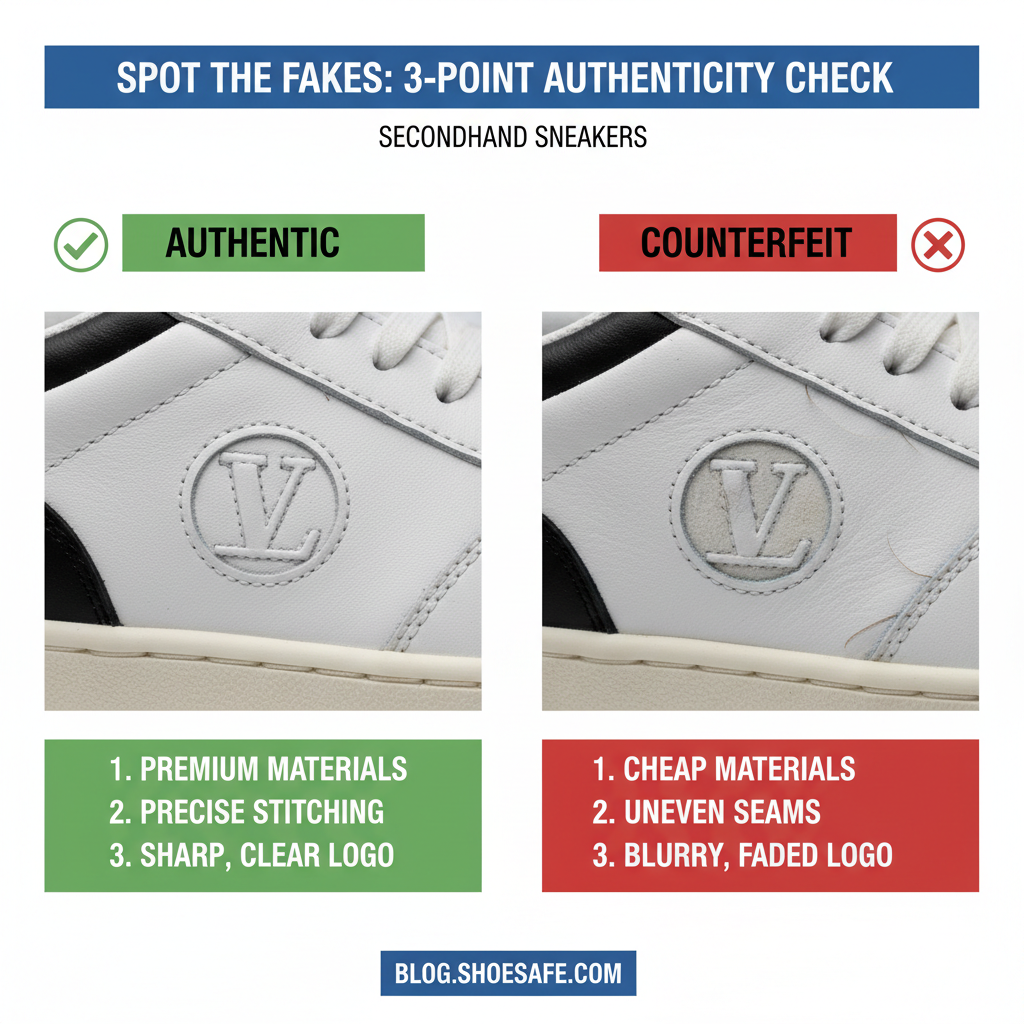
When buying second-hand brand shoes, authenticity should be your top priority, especially given the prevalence of counterfeit products in the market. One effective way to identify authentic brand shoes is to scrutinize the craftsmanship. Genuine shoes typically feature high-quality materials and precise stitching, whereas counterfeit versions often show signs of poor workmanship like uneven seams or questionable materials. Pay close attention to the logo; it should be clear, well-defined, and consistent with the brand’s official marketing.
Another method to verify authenticity is to examine the shoe's tags and labels. Legitimate products usually include details such as model numbers, manufacturing locations, and care instructions, which should match the brand’s official specifications. Additionally, researching the specific characteristics of the brand and model you are interested in can help you spot discrepancies. Finally, always consider purchasing from reputable sellers who provide guarantees of authenticity, as this reduces the risk of acquiring counterfeit items.
Where to Find Reliable Sources for Second Hand Shoes
When searching for reliable sources for second-hand shoes, it's essential to explore various platforms that specialize in vintage and pre-loved items. Recent industry reports indicate that the market for luxury second-hand goods is booming, with expected growth rates of around 12% annually over the next five years. This surge in popularity highlights the importance of choosing reputable sources to ensure quality and authenticity.
Online marketplaces and dedicated vintage websites have emerged as the go-to options for savvy shoppers. Many platforms curate selections from verified sellers, focusing on high-demand items that maintain their value over time. For example, certain brands, known for their timeless designs, experience heightened interest in the second-hand market, resulting in increased pricing for classic styles. Shoppers can benefit greatly from these platforms, where detailed product descriptions and user reviews help in making informed decisions.
Moreover, social media has become a valuable tool for finding reliable second-hand shoes. Numerous influencers and resellers share curated collections and personal recommendations, building a community around second-hand shopping. Engaging with these communities can provide insights into trustworthy sellers, hidden gems, and tips for negotiating prices. As the trend toward sustainable fashion continues to rise, exploring these seasoned platforms for second-hand shoes can yield unique finds while contributing to a more environmentally conscious wardrobe.
Evaluating Condition and Quality of Pre-Owned Footwear
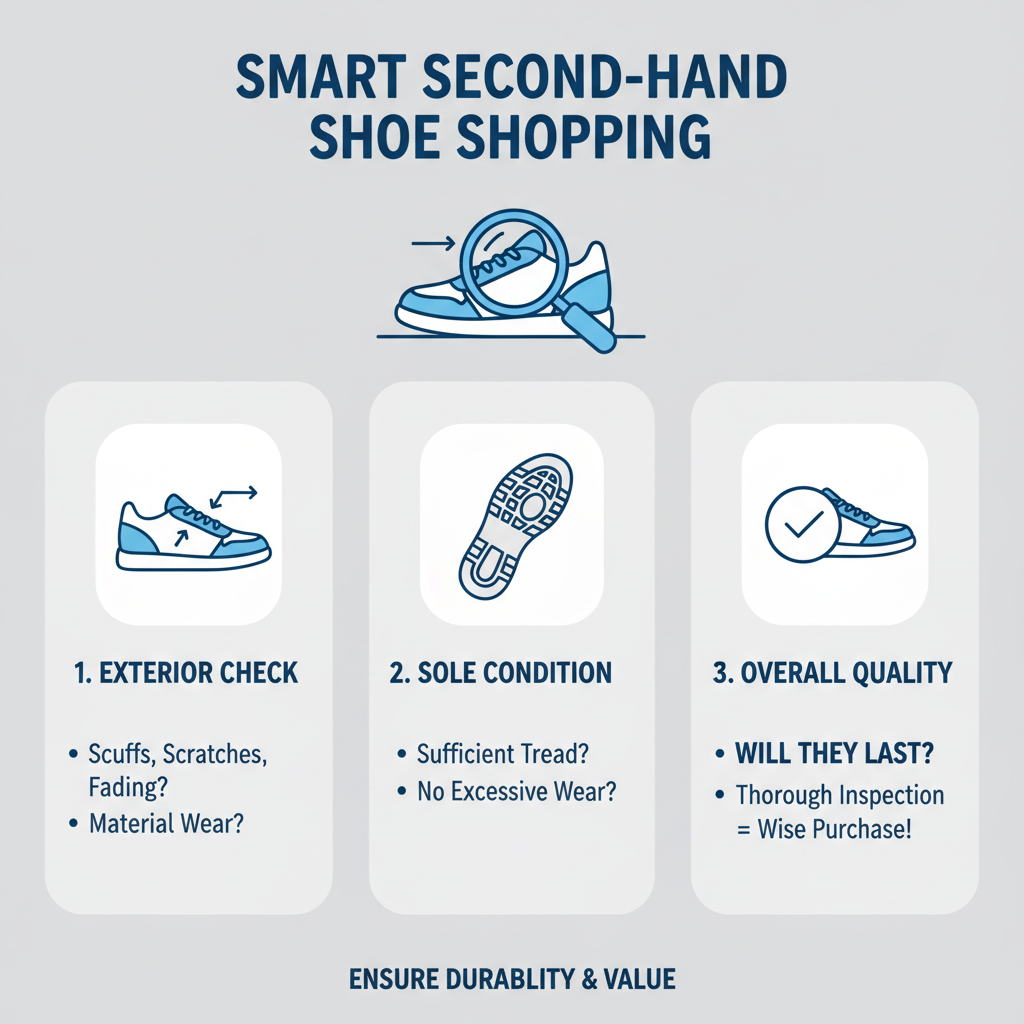
When shopping for second-hand brand shoes, evaluating their condition and quality is crucial to ensure you make a wise purchase. Start by examining the exterior for any obvious signs of wear and tear. Check for scuffs, scratches, or fading on the material that could indicate heavy use. Pay close attention to the soles; they should have sufficient tread and be free from excessive wear. A thorough inspection will help you determine if the shoe can last through future adventures.
Tips: Always inquire about the shoe's history. Knowing how often the previous owner wore them can give insights into their overall condition. Additionally, look for any markings or defects that the seller might not have mentioned. Don’t shy away from asking for detailed photos if you’re shopping online.
Next, assess the internal condition of the shoes. Look out for worn-out insoles, which can affect comfort. Check for any lingering odors that might be difficult to eliminate. If possible, try the shoes on to gauge the fit and comfort level; even minor discomfort can lead to bigger issues in the long run.
Tips: When examining the shoes, remember to test the flexibility and stiffness of the material. Flexibility indicates a well-built shoe that can adapt to your movement, while excessive stiffness might suggest a lack of durability. Always trust your instincts—if something feels off, it’s okay to keep looking.
Negotiating Prices and Making Informed Purchases
When purchasing second-hand brand shoes, effective negotiation is crucial to ensure you get the best deal. Begin by researching the original price of the shoes and understanding their condition, which will empower you during the negotiating process. If the shoes show signs of wear or damage, use this information to advocate for a lower price. A confident yet respectful approach can help establish rapport with the seller, making them more inclined to accommodate your offer.
In addition to negotiating price, making informed purchases requires vigilance about authenticity. Always ask for details that verify the shoes' legitimacy, such as original packaging, purchase receipts, or brand-specific tags. Familiarizing yourself with common counterfeit markers can prevent you from making costly mistakes. If the seller seems hesitant to offer proof or provides vague responses about the item’s history, it might be a red flag. Balancing your negotiation tactics with thorough research will maximize your chances of securing genuine, high-quality second-hand shoes at a reasonable price.