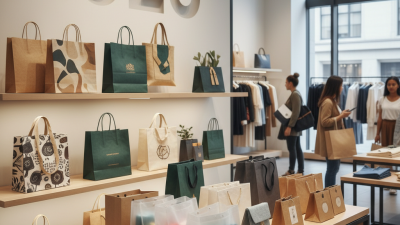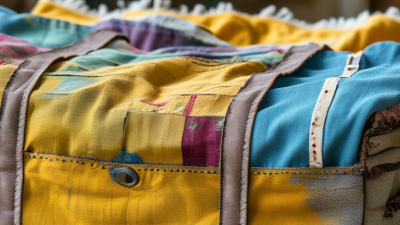
Choosing the right Bags For Retail Store requires more than comparing prices or selecting the most attractive color. A useful bag must protect products, support the shopping experience, and represent the retailer after checkout. Paper bags suit bookstores, bakeries, and fashion counters with clean, printed branding. Reusable fabric bags offer stronger durability and repeated visibility. Recycled plastic can provide moisture resistance, although its environmental message needs careful explanation.
The best choice depends on product weight, store identity, customer habits, and expected reuse. A small jewelry shop may need a compact, rigid bag with soft tissue paper. A grocery retailer may prioritize reinforced handles and resistance to damp items. These details affect comfort at the counter and reliability on the walk home. Small decisions matter.
Design authority Paul Rand said, “Design is the silent ambassador of your brand.” His observation applies directly to retail packaging. A bag communicates quality before customers examine the product again. It can feel premium, practical, warm, or forgettable.
Still, no bag is perfect.
A heavier bag may last longer but require more material. A cheaper option may reduce immediate costs but weaken brand perception. Reusable bags also fail when customers receive more than they can realistically use. This article examines the leading bag types for retail stores, comparing durability, presentation, cost, customization, and practical sustainability. The goal is not to declare one universal winner. It is to identify the most responsible fit for each retail setting, while recognizing that good packaging decisions often require honest compromise.
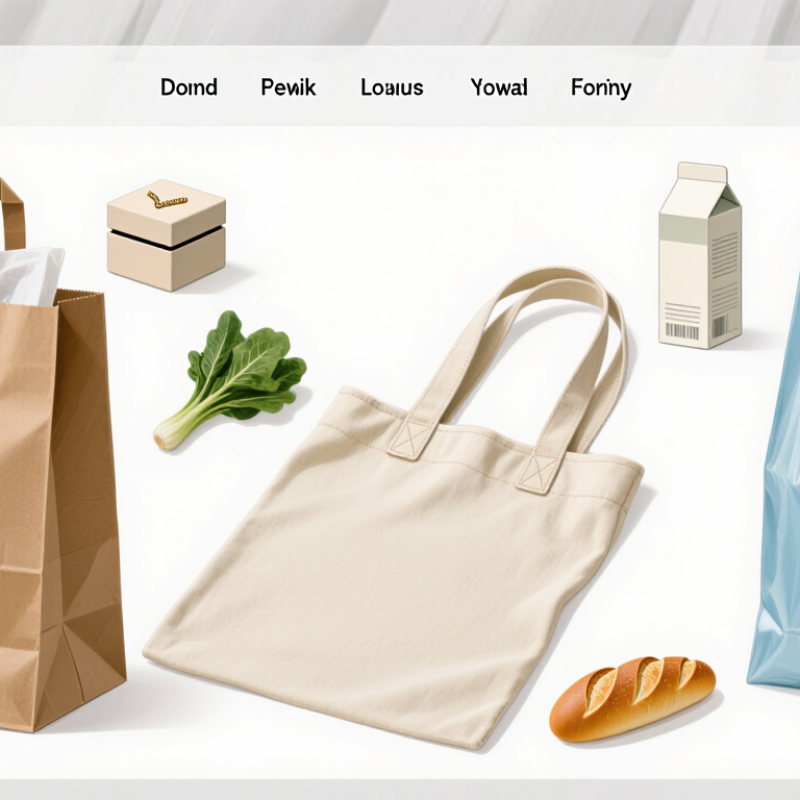
Retail stores need bags that match products, customers, and daily operating demands. The best choice is rarely the cheapest option. A suitable bag protects merchandise, feels comfortable, and supports a clear store image.
Paper bags work well for clothing, books, gifts, and boxed goods. They offer a firm shape and a natural hand feel. Twisted handles improve comfort when customers carry several items. However, paper can weaken in rain or under sharp corners. A thicker base helps, but it also increases material use. This trade-off deserves attention.
Reusable fabric bags suit repeat purchases and heavier products. Cotton or nonwoven fabric can carry shoes, household items, and packaged food. They are useful when customers may use the bag again. Yet, reusable does not automatically mean sustainable. The bag must be strong, washable, and used many times. Thin plastic bags remain practical for wet goods, cleaning products, or leak-prone items. Stores should choose durable options and avoid unnecessary layers. Handle length matters too. A short handle may hurt the hand.
Clear sizing also improves service. Small bags fit cosmetics or accessories, while larger gusseted bags hold bottles and folded garments. Staff should test bags with real products, not empty samples. I have seen attractive bags fail when corners pierced the base. A modest design with reliable construction often serves customers better.
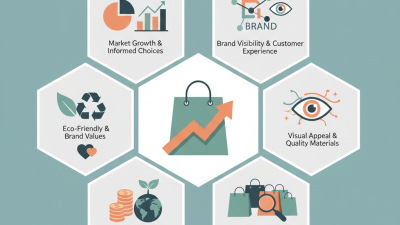
The best retail store bag depends on product weight, customer habits, and disposal systems. A bag should protect purchases without creating unnecessary material waste. Paper works well for clothing and boxed goods. Reusable bags suit frequent shoppers. Lightweight recycled plastic can help with wet or heavy items, but recovery options vary widely.
Cost and performance need equal attention. The U.S. Environmental Protection Agency reports that paper and paperboard packaging had an 80.9% recycling rate in 2018. Plastic bags and sacks reached only 10.5% that year. These figures suggest that paper may have a stronger recovery pathway in many communities. However, paper loses strength when wet and often requires more storage space. The UK Environment Agency found that a conventional cotton bag may need 131 uses to match a single-use plastic bag’s climate impact. That result depends on washing, transport, and production assumptions. It is useful, but not perfect.
Tips: Match the handle length to the product weight. Test bags with full cartons before ordering. Choose recycled content when supply is verified. Ask local waste operators what they actually accept. Print clear reuse guidance, not vague environmental claims. Review bag failure rates after each sales season. A slightly smaller bag can reduce material use, though customers may dislike cramped packing. Measure both reactions and waste.
Key factors for choosing the best retail store bag
Ratings use a 1–10 comparative scale based on commonly documented material characteristics. Lower cost scores indicate higher typical purchase cost, while higher scores indicate better performance in durability, reuse, recyclability, and moisture resistance. Actual results vary by thickness, manufacturing process, local recycling systems, and bag design.
Choosing the best retail bag depends on the product, customer habits, and disposal conditions. Paper bags suit books, clothing, and boxed goods. Their firm shape protects items and creates a more natural shopping experience. However, paper weakens quickly in rain. Handles can also tear when customers carry several heavy products.
Plastic bags remain lightweight, flexible, and resistant to moisture. They work well for convenience stores, fresh goods, and unexpected purchases. Yet their thin structure can split near sharp corners. Thicker plastic performs better, but it uses more material. Store staff should test bag strength with real products, not just empty samples.
Fabric bags offer durability and a more premium feel. Customers may reuse them for months, especially when the handles feel comfortable. Their main weakness is production impact and the need for repeated use. Reusable bags are not automatically the greener option. Customers must actually reuse them. This is often overlooked. A washable fabric bag also needs clear care instructions, or it may remain in a drawer. In practice, many stores benefit from offering two choices: a recyclable paper bag for occasional purchases and a durable reusable bag for regular shoppers. The decision should consider weight, weather, storage space, and customer behavior. Even experienced buyers can misjudge these details. Testing several sizes during busy hours reveals problems that product descriptions cannot show.
Choosing a retail bag starts with the product, not the logo. A glass jar needs a rigid paper bag with a reinforced base. A folded sweater suits a lighter paper carrier with comfortable handles. Small accessories may need compact bags that prevent empty space and wasted material. For fresh goods, moisture resistance matters more than appearance. The bag must survive the journey from checkout to kitchen, office, or car.
Customer expectations also shape the choice. McKinsey’s 2023 US packaging survey found that 60–70% of consumers would pay more for sustainable packaging. Trivium Packaging’s 2023 Global Buying Green Report reported that 82% of respondents were willing to pay more for sustainable packaging. These figures support recycled paper, reusable fabric, and clearly explained material choices. Still, sustainability claims need evidence. A vague “eco” message can damage trust. There is no perfect bag.
A practical store test should measure handle comfort, leakage, weight capacity, storage space, and disposal behavior. A premium shop may choose thick paper for structure and presentation. A busy convenience store may need fast-opening bags with dependable strength. Reusable bags can reinforce loyalty, but only when customers actually reuse them. This is where neat recommendations become unreliable. Customer habits differ by location, product, and weather. A small pilot can reveal more than a polished purchasing forecast.
What Is the Best Type of Bag for Retail Stores?
Sustainability, Cost, and Regulations in Retail Bag Selection
The best retail bag balances durability, price, disposal, and local compliance. No single material wins every situation. A thin paper bag may suit a lightweight purchase, while a reusable polypropylene bag handles heavier goods. However, reuse only helps when customers actually reuse it. Measure the real use.
The UK Environment Agency’s lifecycle assessment found that a non-woven polypropylene bag needed about 11 uses to match a conventional lightweight plastic bag’s climate impact. Cotton required far more uses under the same assumptions. These figures are not universal. Manufacturing energy, transport, washing, and disposal can change the result. Retailers should test actual customer behavior instead of trusting attractive material claims.
Cost also includes storage space, damaged stock, staff time, and waste fees. The European Environment Agency reported 186.5 kilograms of packaging waste per person in the European Union during 2022. That figure increases pressure on retailers to reduce unnecessary packaging. The United Nations Environment Programme’s 2023 report estimates that plastic pollution could fall by 80% by 2040 through reuse, recycling, and reduced consumption.
Regulation is moving quickly. The European Union’s Packaging and Packaging Waste Regulation, adopted in 2025, strengthens requirements for packaging minimization, recyclability, and reuse. It applies from August 2026. Local rules still differ. A practical choice is a right-sized bag, clear disposal guidance, and a reuse program supported by measured results. Sometimes, the cheapest bag becomes expensive after compliance and waste costs.
| Bag Type | Typical Material | Typical Load Capacity | Expected Reuse Potential | Relative Unit Cost | Environmental Considerations | End-of-Life Options | Common Regulatory Considerations | Best Retail Application |
|---|---|---|---|---|---|---|---|---|
| Conventional Lightweight Plastic | Virgin low-density polyethylene (LDPE) or high-density polyethylene (HDPE) | Approximately 3–8 kg, depending on thickness and handle design | Low; commonly used for one or a few shopping trips | Very Low | Uses fossil-based feedstock and has a low production weight, but litter and long-term persistence can create significant environmental impacts. Recycling rates are often limited by collection and sorting systems. | Plastic-film collection where available; otherwise general waste. Suitable for recycling only when accepted by local infrastructure. | Frequently restricted, taxed, or subject to minimum-thickness rules. Some jurisdictions require retailer charges or prohibit free distribution. | Short-duration purchases where local law still permits lightweight plastic and take-back infrastructure exists |
| Recycled Paper | Paper containing post-consumer or post-industrial recycled fiber | Approximately 4–10 kg; reinforced designs can carry more | Low to moderate; practical for several dry-use trips if kept clean and dry | Low to Medium | Made from a renewable fiber source and generally easier to sort than flexible plastic. Production can require substantial water and energy, while wet conditions reduce durability. | Paper recycling, commercial composting where accepted, or landfill. Handles, coatings, and mixed materials may need removal. | Often favored under plastic-bag restrictions, but local rules may specify recycled content, minimum basis weight, fees, or labeling requirements. | Grocery, apparel, books, takeaway food, and retailers seeking a recyclable single-use option |
| Reusable Polypropylene | Woven or non-woven polypropylene (PP), usually made from virgin or recycled plastic | Approximately 8–15 kg | High; designed for repeated use over many shopping trips | Medium | Higher production impact than a lightweight single-use bag, but repeated use can reduce impact per trip. Actual benefit depends on repeated use, durability, and disposal behavior. | Limited textile or rigid-plastic recycling programs, depending on construction. Reuse or waste-to-energy may be available in some regions. | May be regulated under reusable-bag durability, labeling, hygiene, recycled-content, or minimum-use requirements. Some plastic restrictions also cover thick PP bags. | Supermarkets, general merchandise, pharmacies, and retailers with frequent repeat customers |
| Cotton or Canvas | Woven cotton, organic cotton, or cotton-blend textile | Approximately 8–20 kg | Very high when washed and reused many times | High | Durable and repairable, but cotton cultivation can require significant land, water, and agricultural inputs. The environmental advantage depends strongly on the number of completed reuses. | Textile reuse, donation, fiber recovery, or general waste. Compostability depends on dyes, coatings, blends, and accessories. | Usually less affected by single-use plastic rules, but claims about organic content, recycled content, biodegradability, or sustainability must be substantiated. | Premium retail, promotional programs, loyalty schemes, and customers likely to reuse bags frequently |
| Compostable Plastic | Certified compostable polymers, commonly starch blends or polyesters such as PLA or PHA | Approximately 3–8 kg | Low to moderate; generally intended for limited use rather than long-term carrying | Medium to High | May reduce dependence on fossil feedstock in some formulations, but environmental performance varies by material and production system. Compostable does not mean it will break down in ordinary litter or home compost. | Industrial or commercial composting only when the local facility accepts the specific material. Often unsuitable for conventional plastic recycling streams. | Claims usually require recognized certification and clear disposal instructions. Some jurisdictions restrict compostable bags unless certified or approved for a defined use. | Food-service, produce, or organic-waste applications with verified commercial composting access |
| Recycled PET Textile | Woven or non-woven fabric made from recycled polyethylene terephthalate (rPET) | Approximately 8–15 kg | High; suitable for repeated shopping trips | Medium to High | Uses recycled plastic feedstock and can be durable, but it remains a synthetic textile. Washing and fiber shedding, mixed components, and limited recycling routes can complicate end-of-life management. | Reuse, specialized textile collection, or general waste. Recycling depends on mono-material construction and local facilities. | Recycled-content claims may require documentation. Product labeling, chemical restrictions, and extended producer responsibility rules may apply. | Durable retail programs where long service life and documented recycled content are priorities |