2026 Best Second Hand Clothes Seller Trends and Tips for Success
As the popularity of sustainable fashion grows, the role of a Second Hand Clothes Seller has never been more crucial. In 2026, this market is transforming rapidly. Many people are seeking unique pieces while reducing their environmental impact. However, succeeding in this field is not as straightforward as it seems.
The dynamics of selling second hand clothes require both knowledge and creativity. Sellers must understand trends, quality, and pricing. They should also develop a keen eye for what buyers desire. This task is not without challenges. Sellers may struggle with inventory management and market saturation.
Building a reputable brand is essential for long-term success. Trustworthiness can set sellers apart from competitors. Engaging with customers through social media can create a loyal following. While the path may have hurdles, embracing the journey is part of mastering the art of selling second hand clothes.
Emerging Trends in Second Hand Clothing for 2026
In 2026, the second-hand clothing market continues to evolve, reflecting shifting consumer preferences. Sustainability remains a key concern. Many buyers seek eco-friendly options, driven by a desire to reduce waste. Thrifted gems hold charm and history. They attract shoppers eager for unique pieces that tell stories. This trend encourages sellers to curate collections instead of merely reselling items.
Social media influences this market significantly. Platforms offer visual appeal and community engagement. Sellers who showcase items creatively can reach wider audiences. Engaging narratives around clothing can create a connection. Highlighting personal shopping experiences fosters trust.
However, standing out requires consistency and genuine interaction, which can be challenging.
As the market grows, competition intensifies. Sellers may struggle to keep up with trends, which can be discouraging. It's essential to stay adaptable and open to feedback. Consumer tastes shift rapidly. Understanding these nuances is crucial for long-term success. Embracing imperfections in the sourcing process can lead to better-curated collections. Authenticity resonates deeply, even when the path isn't clear.
Key Marketing Strategies for Second Hand Clothes Sellers
The resale clothing market continues to thrive. In 2023, it was valued at over $30 billion, expected to grow by 20% annually. This growth indicates that consumers increasingly value sustainability and unique fashion. For second hand clothes sellers, understanding key marketing strategies is vital.
Engaging storytelling can draw in potential customers. Highlighting the journey of each item can create a connection. Use social media channels effectively. Platforms like Instagram provide visual appeal. A recent study found that 70% of consumers discover brands through social media. This is powerful. Quality images of products can boost engagement.
SEO is critical for online visibility. Over 60% of consumers search for second hand items online. Optimize product descriptions with relevant keywords. However, many sellers overlook customer reviews. Collecting and showcasing positive feedback can build trust. Establishing authority matters. Transparency about sourcing and quality adds to credibility. This process requires reflection and continuous improvement for sustained growth.
Essential Online Platforms for Selling Second Hand Apparel
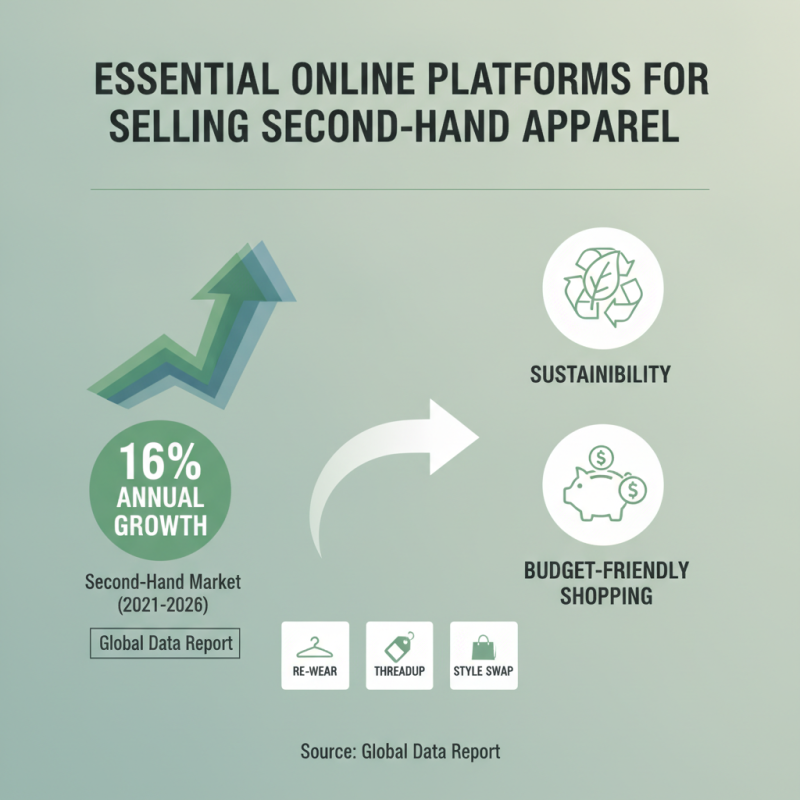
As online shopping continues to grow, second-hand apparel is gaining momentum. Data from the Global Data report indicates a 16% annual growth in the second-hand market from 2021 to 2026. This trend reflects a shift in consumer behavior towards sustainability and budget-friendly shopping options.
Key online platforms are vital for success in this niche. Websites and apps like Poshmark, Depop, and ThredUp have transformed how individuals sell second-hand clothing. Research shows that around 60% of consumers prefer purchasing pre-owned items through these specialized platforms. These platforms allow sellers to reach a broad audience without high overhead costs. However, navigating these venues can be challenging. The competitive nature of these marketplaces requires sellers to focus on unique branding and quality presentation.
While leveraging these platforms, sellers should note the importance of visual appeal. High-quality images can significantly increase sales. On the flip side, pricing remains a tricky aspect. Research indicates that many sellers price items too high, resulting in low turnover rates. Continuous learning and adaptation are crucial for thriving in this dynamic market.
Best Practices for Sourcing Quality Second Hand Clothing
Sourcing quality second hand clothing requires both skill and strategy. Start by exploring local thrift stores and charity shops. These places often have unique pieces at low prices. Make sure to visit regularly, as inventory changes frequently. Attend estate sales and garage sales for hidden gems. It's not just about finding clothes; it's about discovering stories.
Networking with other resellers can be beneficial. Join online communities or local groups focused on second hand markets. Share tips and experiences. Sometimes, partnerships can lead to exclusive sourcing opportunities. Remember to assess the quality of items carefully. Look for wear, stains, and overall condition. Not every piece will meet your standards. Learning from mistakes is part of the process.
Building relationships with suppliers can pay off. Establishing trust can lead to better deals and access to sought-after items. However, be prepared for challenges. Not every sourcing trip will yield great finds. Patience is key, and sometimes, taking risks can result in unexpected treasures. Maintaining a critical eye ensures that your collection remains high-quality.
Building a Sustainable Brand Identity in Second Hand Fashion
Building a sustainable brand identity in second-hand fashion is crucial for success. Many consumers today prioritize eco-friendly products. This preference shapes how brands are perceived. Crafting a unique story can resonate with customers deeply. Consider sharing your journey. Transparency about sourcing and practices fosters trust.
Incorporating visuals is vital. High-quality images of your products can enhance appeal. Showcase the details and history behind each item. This invites customers to connect on a personal level. It's also essential to engage with your community. Building relationships fosters loyalty. Yet, be prepared for criticism. Not every feedback will be positive. Learn from it to improve your offerings.
Sustainability isn’t just a trend; it’s a commitment. Make sure your practices reflect that. Utilize eco-friendly packaging and shipping materials. This shows you care about the planet. However, mistakes will happen. It's important to acknowledge them and strive for better. A resilient brand adapts and evolves. Stay informed about industry trends and customer preferences. This will help you stay relevant and successful.