How to Choose Vintage Bags for Your Collection or Business?
Vintage bags have become a significant niche in the fashion industry. Collectors and businesses alike are increasingly drawn to their unique charm and history. According to a report by Global Data, the vintage fashion market is projected to reach $64 billion by 2024. This growth highlights the demand for authenticity and craftsmanship in bags that tell a story.
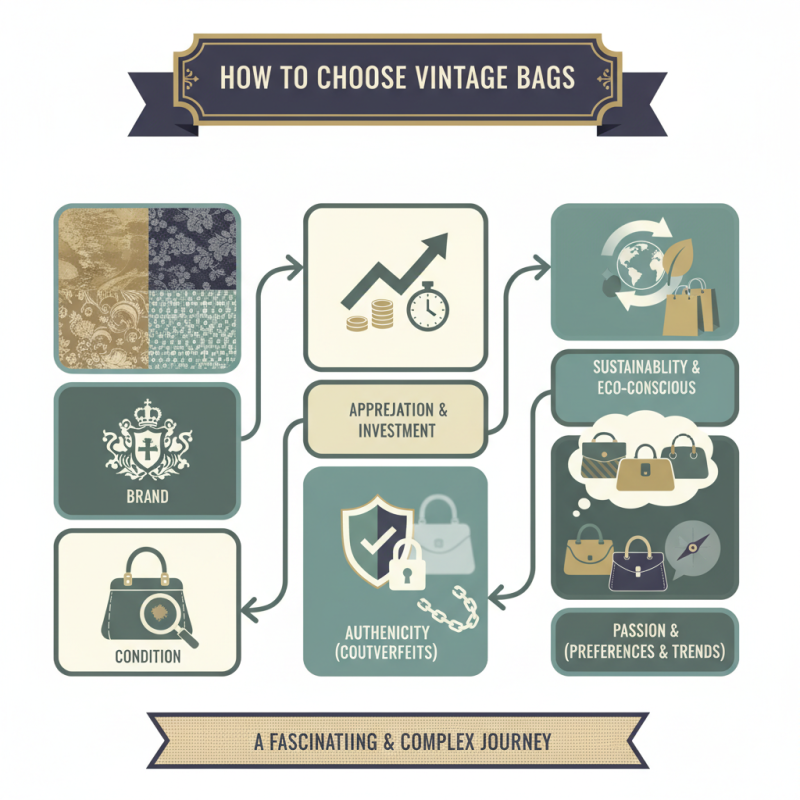
Choosing the right vintage bags requires a keen eye for detail. Factors like material, brand, and condition play crucial roles in determining value. Research shows that vintage items often appreciate over time, making them worthy investments. However, not all vintage bags are created equal. There are countless counterfeits on the market, so authenticity verification is essential.
The appeal of vintage bags lies not only in their aesthetic but also in sustainability. Buying vintage reduces waste, appealing to eco-conscious consumers. Yet, the selection process can challenge newcomers and experts alike. Reflecting on one’s preferences and market trends can aid in making informed choices. This journey into the world of vintage bags combines passion with strategy, making it both fascinating and complex.
Understanding Vintage Bag Market Trends and Values
When exploring the vintage bag market, understanding current trends is essential. The search for unique styles often leads collectors to look for specific characteristics. Age, condition, and rarity play crucial roles in determining a bag's value. An authentic vintage piece can command high prices, while replicas do not hold the same allure. Collectors often focus on materials and craftsmanship, which can significantly influence desirability.
Market trends shift frequently. Certain decades become more sought after, and some styles fall out of favor. For instance, the 1980s might see a revival while the 1990s become less popular. Tracking these shifts is key for both collectors and businesses. Networking within collector communities can provide insights, but always verify information. Not all trends last, and what is popular today may fade tomorrow.
Acquiring knowledge is an ongoing process. Visit vintage markets or attend trade shows to gain insights. Engage with experienced collectors, yet remain cautious of trends that seem exaggerated. Collecting vintage bags can be rewarding but requires attention. It's essential to reflect on which pieces resonate with personal style amidst market noise. Being informed helps navigate this fascinating world.
How to Choose Vintage Bags for Your Collection or Business? - Understanding Vintage Bag Market Trends and Values
| Category |
Style |
Era |
Current Market Value ($) |
Trend (Increasing/Decreasing) |
| Handbag |
Satchel |
1980s |
150 |
Increasing |
| Clutch |
Evening Bag |
1960s |
200 |
Stable |
| Backpack |
Rucksack |
1970s |
120 |
Decreasing |
| Crossbody |
Mini Bag |
1990s |
170 |
Increasing |
| Tote |
Carryall |
2000s |
180 |
Stable |
Identifying Authenticity in Vintage Bags: Key Factors to Consider
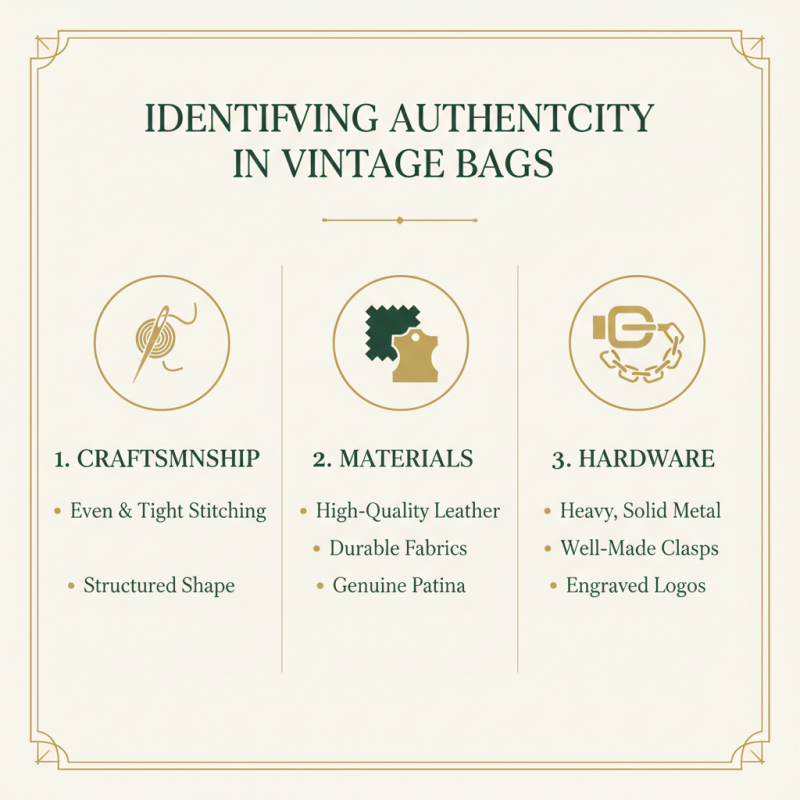
When selecting vintage bags, authenticity is key. Look for signs of quality craftsmanship. Check the stitching: it should be even and tight. Explore the materials used; high-quality leather or fabrics are often a good indicator. Examine the hardware, too. Heavy, well-made metal parts suggest a genuine item.
Another factor to consider is the bag's provenance. Research the bag's history. A documented history can boost its value. Seek out details like previous ownership or unique features. These can help establish authenticity. It's important to trust your instincts. If something feels off, dig deeper. Visit reputable vintage stores or consult experts to gain insights.
Be mindful of details that may not align with known patterns. Imperfections can indicate authenticity, as many vintage bags have unique traits. Don't overlook small nuances, like serial numbers or tags. Seeking out these clues can be both rewarding and challenging. Authenticity isn’t always black and white; sometimes, gray areas need careful examination.
Evaluating Condition and Provenance for Collection Validation
When selecting vintage bags, evaluating condition and provenance is essential. Collectors and businesses must assess these factors to ensure validation. A report by The Business of Fashion shows that 75% of vintage buyers prioritize authenticity. This statistic highlights the need for thorough verification.
Condition plays a crucial role in valuation. Inspect items for any wear, discoloration, or structural damages. Minor wear adds character, while significant flaws may decrease value. Look for repairs made using appropriate materials. Identifying these details can reveal the bag's history.
Provenance is equally important. Documentation, like purchase receipts or previous owners, can enhance the bag's story. A study indicates that items with documented history can sell for 40% more. Authenticity certificates, when available, provide further assurance. Without clear provenance, values can become uncertain, leading to potential buyer regret. Understanding these elements builds trust in the vintage market and fosters informed purchasing decisions.
Selecting Iconic Designers: The Impact on Resale Value
When selecting vintage bags for your collection or business, iconic designers play a crucial role. These bags epitomize artistry and craftsmanship, giving them unique appeal. The allure of such pieces often translates to higher resale value. Buyers seek authenticity and quality, which established designers provide. Their timeless designs also ensure sustained demand.
However, not all vintage bags from renowned designers are created equal. Condition, rarity, and historical significance impact pricing. A bag with minor wear may deter some buyers. Others might appreciate its story. Collectors sometimes overlook less popular designs. This can be an opportunity for savvy investors who see potential in underappreciated pieces.
Research and expertise are crucial in this area. Thoroughly assess provenance and market trends. Keep an eye on emerging designers, as they can reflect shifting values in fashion. Investing in vintage bags is not merely financial; it requires passion and intuition. Balancing emotion with practicality could lead to meaningful additions to your collection or inventory.
Strategizing Your Collection: Balancing Aesthetics and Investment Potential
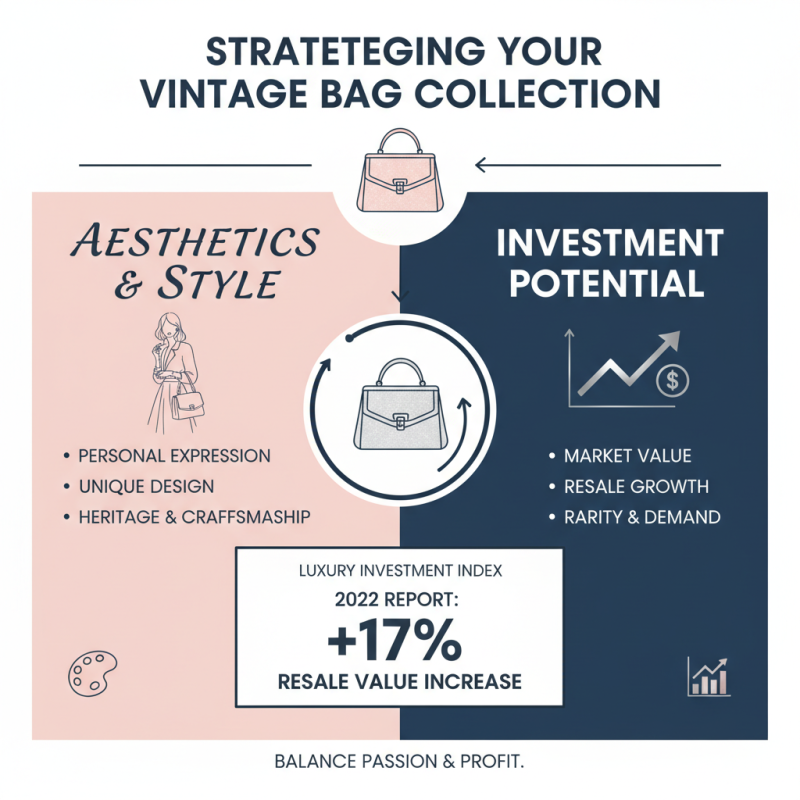
When building a vintage bag collection, aesthetics and investment potential must go hand in hand. Selecting bags that speak to personal style is important. Yet, understanding the market value is equally vital. According to a recent report by the Luxury Investment Index, the resale value of luxury handbags increased by 17% in 2022. This growth highlights a shifting trend toward viewing vintage bags as assets.
Investors should focus on bags that retain or appreciate in value. Certain styles and conditions can significantly affect this. For instance, limited editions or bags in pristine condition often see higher resale prices. Research shows that 30% of vintage bag investors prioritize rarity as their main criterion. However, this can lead to challenges; not every rare bag translates to a profitable investment.
Balancing the emotional appeal of a bag with its potential future value can be tricky. Buyers often fall in love with a design, but market fluctuations can jeopardize their returns. Be cautious; some bags have experienced depreciation. Reflecting on both passion and practicality leads to more informed collection choices. Trusting instincts is key, but leveraging market data solidifies decisions.