2026 How to Choose the Best Bags for Retail Store?
Choosing the right bags for retail store is crucial for both functionality and branding. Retail bags not only serve a practical purpose but also reflect the store’s identity. They are often the last touchpoint customers have with your brand. Therefore, selecting bags that align with your store’s image can enhance customer experience.
When deciding on bags for retail store, consider materials, size, and design. Sustainable options are increasingly in demand, as customers value eco-friendly choices. A well-designed bag can make a strong impression. However, not all designs are functional. It's important to find a balance between aesthetics and practicality.
Many retailers overlook the importance of the bag's durability. A flimsy bag can lead to customer dissatisfaction. Reflect on your choices and the message they send. Ultimately, the right bags for retail store should elevate the shopping experience and resonate with your brand values. Choose wisely, as every detail matters.
Understanding the Different Types of Retail Bags Available
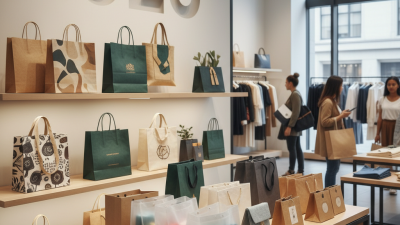
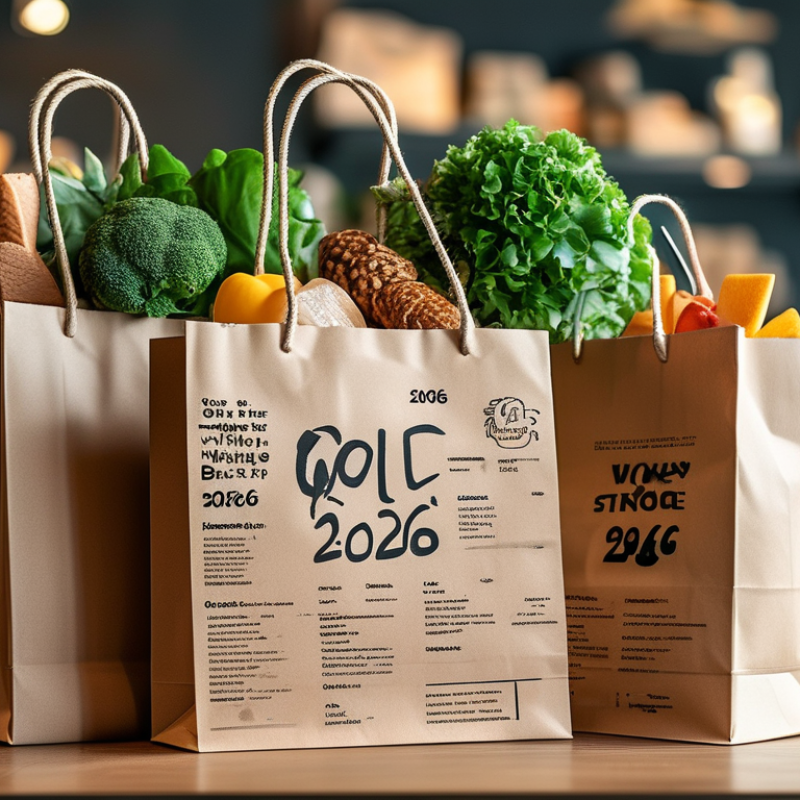
When selecting bags for a retail store, it's essential to understand the various types available. Paper bags are popular for their eco-friendly nature. They offer a classic feel that many consumers appreciate. However, they may not be as durable as plastic options. Consider the weight of items you plan to sell. If they are heavy, paper might not be the best choice.
Plastic bags are lightweight and water-resistant. They are often cheaper and can hold more weight. However, their environmental impact raises concerns. Reusable bags are an interesting option as well. They come in different materials and sizes. Promoting them can enhance your store's image as sustainable and responsible.
Choosing the right type can be tricky. Store owners must balance aesthetics, cost, and functionality. Many forget about biodegradable alternatives, which are gaining popularity. Reflecting on customer preferences is crucial. What do your customers value more? Is it style or sustainability? Engaging customers in this decision can provide insight into what will work best for your retail space.
Identifying the Target Audience for Your Retail Store Bags
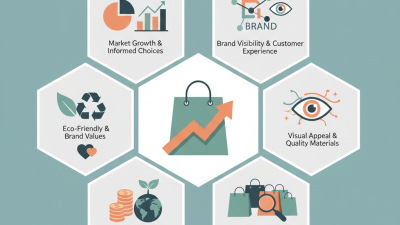
Identifying the target audience for your retail store bags is pivotal. Understanding who your customers are will shape your design and functionality choices. A study from the National Retail Federation indicates that 68% of consumers prefer sustainable bags. This trend is critical for retailers aiming to appeal to environmentally conscious shoppers.
Demographics also play a vital role. Research shows that 55% of millennials prioritize brands that reflect their values. If your store targets this age group, opting for reusable eco-friendly bags could speak volumes. Additionally, local preferences matter. Bag styles and sizes may vary based on regional lifestyles. Urban shoppers might favor compact options, while rural customers might lean towards larger, more durable bags.
Consumer behavior is dynamic. Regularly evaluate how your audience responds to different styles. Data reveals that 75% of consumers change their preferences based on seasonal trends. Being flexible and responsive will lead your bag choices to better meet your customers' evolving needs. Consider surveys or focus groups to gather direct feedback, ensuring your bags resonate with your audience.
Evaluating Material Quality and Environmental Impact of Bags
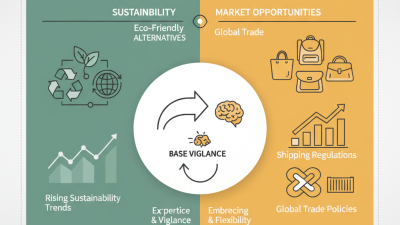
When selecting bags for a retail store, evaluating material quality is crucial. A bag's durability can impact customer experience. Many materials may seem appealing but can degrade quickly. Recyclable and compostable options are gaining attention. These alternatives help reduce waste. However, it’s essential to assess their performance in daily use.
Environmental impact must also be at the forefront. Some materials contribute significantly to pollution during production and disposal. Plastic bags, while convenient, have severe consequences for ecosystems. Using biodegradable materials is a step forward, but challenges remain. End-of-life options can vary widely.
Choosing the right bags involves trade-offs. Aesthetic appeal, cost, and sustainability are often at odds. It’s not always clear which options strike the right balance. Continuous research and consumer feedback can guide improvements. Engaging with suppliers who share sustainability values can help.
Considering Design and Branding Elements for Retail Bags
When selecting bags for a retail store, design and branding elements should be at the forefront.
The choice of colors can evoke specific emotions. Bright colors attract attention, while muted tones convey sophistication.
The material also plays a critical role. Eco-friendly options are gaining popularity, aligning with consumer values. However, balancing costs with quality is often challenging.
Cheap materials might not reflect your brand's ethos.
Logos and branding on bags are essential. They provide visibility and recognition.
However, overloading a bag with information can be counterproductive.
It’s crucial to strike a balance. A simple, memorable logo can enhance your brand presence. Custom designs can make bags stand out.
Yet, ensuring they remain practical for customers is necessary. Functionality should not be compromised for aesthetic appeal.
Reflecting on trends is vital. Innovations in bag designs shift frequently. Staying updated is a challenge, but worth the effort.
Expecting every design to resonate with your audience is unrealistic.
Customer feedback provides valuable insight, but interpreting that feedback can be tricky.
It's necessary to adapt while remaining true to your brand identity.
Ultimately, the right bag combines form and function, serving both your brand and your customers effectively.
Assessing Cost and Budget Constraints for Bag Selection
When selecting bags for your retail store, budget constraints are crucial. Start by determining your overall spending limit. Analyze your financial situation and sales projections to understand what you can afford. This approach helps you avoid impulsive purchases that could lead to financial strain.
Consider the cost of different bag materials. Some may be cheaper upfront but can wear out quickly. Assess the trade-off between quality and price. You might save money in the short term but incur higher replacement costs later. For example, paper bags are affordable but less durable than reusable options. Data shows that durable bags can enhance your brand image over time.
Think about storage and handling costs too. Bulk buying might lower the price per unit, but it requires more space. You may face logistical challenges if your store isn’t prepared. Analyzing these factors is key to making prudent selections. Every decision adds to your long-term profitability. Reflection on previous purchases can guide your choices as well.