How to Buy Second Hand Designer Clothes Effectively?
Buying second hand designer clothes can be an exciting and sustainable way to enhance your wardrobe. Many people are drawn to the allure of high-end brands but often feel deterred by their hefty price tags. This is where second hand designer clothes come into play. They offer quality and style without breaking the bank.
However, navigating this market requires some thought. It can be overwhelming to sift through countless listings and determine what is truly worth buying. There are risks, too. Sometimes, items may not match their online descriptions, or they may have hidden defects. It is essential to be cautious and do your homework.
Yet, the thrill of scoring a beloved designer piece makes the effort worthwhile. Each item carries a story, and sometimes, its unique charm lies in its imperfections. Embracing second hand designer clothes not only supports sustainable fashion but also promotes personal style. Dive into this journey with an open mind and a keen eye for details.
Understanding the Second Hand Designer Market Trends and Statistics
The second hand designer market has recently seen significant growth. According to industry reports, it is expected to reach $64 billion by 2024. This surge reflects a shift in consumer behavior. Many shoppers are now prioritizing sustainability over brand names.
In 2022, online sales of second hand luxury items increased by 27% compared to 2021. Platforms are thriving as people seek unique pieces at lower prices. However, it's vital to be cautious. The increase in market size has also led to a rise in counterfeit goods.
Understanding these trends is key. Many buyers overlook the importance of verifying authenticity. In some cases, items sold as authentic may not be genuine. Trustworthy platforms often provide detailed descriptions, but buyers should still do their homework. Keeping trends and statistics in mind can lead to better shopping experiences.
Identifying Authentic Designer Brands: Key Features and Red Flags
When searching for second-hand designer clothes, it's crucial to identify authentic pieces. Examine the materials closely. High-quality fabrics should feel luxurious. They often have a weight that lower-quality imitators lack. Look for subtle details in stitching. Authentic items usually feature precise, even stitches. A small mistake in stitching can be a red flag. Check the tags for consistent branding. Logos should align with known designs.
Be aware of price discrepancies. If the deal seems too good to be true, it might be. Sometimes, sellers are unaware of the piece's actual value. They might price it lower due to a lack of knowledge. But, other times, it can signal inauthenticity. Look for signs of wear. Minor signs are okay, but excessive wear can indicate a knockoff.
Additionally, trust your instincts. Does something feel off? The right piece should evoke excitement, not doubt. Remember to ask questions. Knowledgeable sellers can provide insights. If they hesitate or don’t have answers, reconsider your purchase. Authentic designer clothes carry stories, and each piece should feel unique and genuine. Trust the process, it’s about finding quality.
Identifying Authentic Designer Brands: Key Features and Red Flags
Where to Discover Quality Second-Hand Designer Clothing Online
When searching for quality second-hand designer clothing online, it pays to be discerning. Start with reputable platforms. Look for curated sites that focus on luxury items. They often vet sellers and provide authentication guarantees. Social media marketplaces can also be treasure troves. However, exercise caution. Not every post tells the full truth.
Take your time to compare prices and analyze the condition of each piece. High-quality photographs are a good sign. If not, don’t hesitate to ask for more images. Often, sellers won’t mind. Pay close attention to the item's description. Small details can reveal much about quality.
Be willing to accept imperfections. Scuffs or small stains can often be cleaned easily. They might lower the price, making luxury more accessible. Reflect on your personal style; buy pieces you genuinely love. The hunt can be just as rewarding as the final purchase. Embrace the process and find joy in discovering unique items.
Evaluating Condition and Value: Tips for Assessing Pre-Owned Fashion
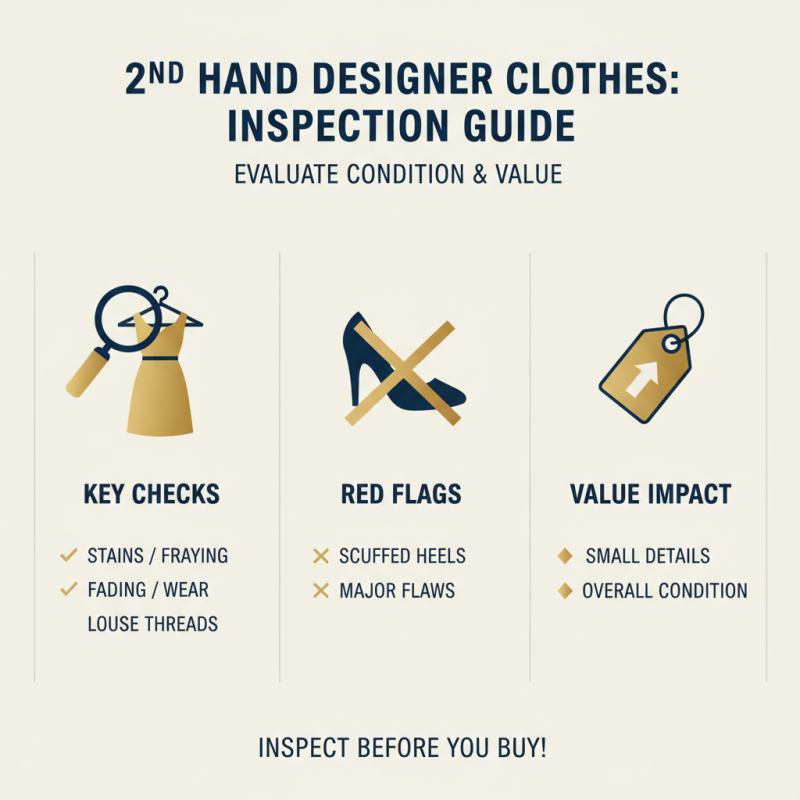
When exploring the world of second-hand designer clothes, evaluating condition and value is crucial. It's essential to thoroughly inspect each item before making a purchase. Look for signs of wear and tear. Check for any stains, fraying, or fading. Small details can affect the overall value. A scuffed heel or loose thread can be major red flags.
Tips for assessing pre-owned fashion include checking the fabric composition. Natural fibers tend to last longer than synthetic ones. Feel the texture and weight; heavier fabrics often indicate quality. Also, don’t forget to investigate the stitching. Even if a piece seems perfect, loose seams can lead to more significant issues later.
Pay attention to the item's history. If possible, inquire about previous ownership. An item's journey can sometimes enhance its story. Remember, while a piece may look flawless, it's essential to reflect on its past. Genuine items can hold more value than you might initially perceive. When you buy, think about longevity and personal style, not just trends.
Negotiating Prices and Ensuring Quality: Best Practices for Buyers
When buying second-hand designer clothes, negotiating prices can be intimidating. Start by researching the item’s typical market value. Industry reports indicate that 55% of second-hand shoppers feel confident negotiating. Use this knowledge to make a reasonable offer, especially if the item shows signs of wear. Don’t shy away from pointing out small flaws; it can justify a discount.
Ensuring quality is crucial. Inspect the fabric closely. Look for pilling, stains, or fading, which may indicate excessive wear. According to a recent survey, 70% of buyers reported dissatisfaction due to quality issues post-purchase. Ask for detailed photos if shopping online. Trust your instincts; if something feels off, it’s okay to walk away. This can be a mixed experience. Even seasoned shoppers sometimes miss minor defects. Remain vigilant, and learn from any oversights.
How to Buy Second Hand Designer Clothes Effectively?
| Item |
Condition |
Price (USD) |
Negotiation Range (USD) |
Quality Check |
| Leather Handbag |
Good |
250 |
200 - 230 |
Check for scratches, linings |
| Silk Scarf |
Very Good |
100 |
80 - 90 |
Look for stains or pulls |
| Wool Coat |
Fair |
350 |
300 - 320 |
Inspect seams, check for odors |
| Designer Dress |
Excellent |
400 |
350 - 370 |
Examine stitching, verify authenticity |
| Classic Sunglasses |
Good |
150 |
120 - 140 |
Check lenses for scratches |