How to Start a Successful Second Hand Clothes Seller Business in 2025
In the rapidly evolving fashion landscape of 2025, the second hand clothes seller industry has emerged as a vibrant and sustainable business opportunity. As the demand for eco-friendly and affordable clothing continues to rise, more entrepreneurs are tapping into the lucrative market of pre-owned apparel. According to noted industry expert Jessica Green, a leading voice in sustainable fashion, "Starting a second hand clothes seller business not only helps the environment but also meets the growing desire among consumers for unique and cost-effective fashion." This sentiment underscores the significant potential for success within this sector.
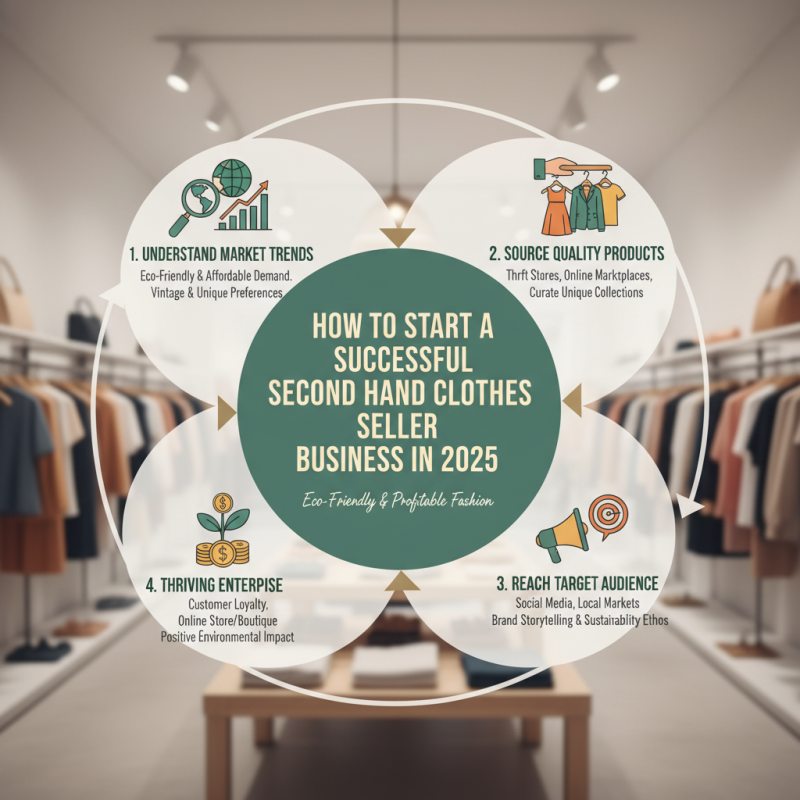
Launching a second hand clothes seller business involves understanding market trends, sourcing quality products, and effectively reaching the target audience. The appreciation for vintage and used clothing has increased, making it essential for new sellers to grasp the dynamics of consumer preferences and the importance of brand storytelling. By embracing the ethos of sustainability while delivering exceptional value, aspiring second hand clothes sellers can carve out a niche that resonates with environmentally-conscious consumers, paving the way for a thriving enterprise.
Understanding the Second Hand Clothing Market Trends in 2025
The second-hand clothing market is experiencing a significant transformation in 2025, driven by shifting consumer preferences and increased environmental awareness. According to a report by ThredUp, the resale market is projected to reach $64 billion by 2026, growing at a CAGR of 39%. This trend is fueled by millennials and Gen Z consumers, who prioritize sustainability and seek unique, affordable fashion options. The rise of online platforms and social media also plays a crucial role in increasing visibility for second-hand sellers, allowing them to reach wider audiences effectively.
To capitalize on these market trends, sellers should focus on curating a diverse and appealing inventory. Offering a mix of vintage, contemporary, and trendy items can attract a broad customer base. Additionally, utilizing high-quality images and storytelling in product descriptions can create a personal connection with potential buyers, ultimately influencing their purchasing decisions.
**Tips:** Stay updated on fashion trends by following eco-friendly influencers and participating in online forums to understand customer preferences. Furthermore, consider collaborating with local artists or communities to host pop-up events, which can help enhance brand visibility and build a loyal customer following. Leveraging social media platforms as marketing tools is essential for engaging with customers and promoting unique pieces in your collection.
Identifying Your Target Audience and Niche in Second Hand Clothing
When starting a second-hand clothing business, identifying your target audience and niche is crucial for ensuring success. Begin by researching demographic trends and consumer interests. Are you targeting eco-conscious millennials, vintage fashion enthusiasts, or budget-conscious families? Understanding these segments allows you to tailor your inventory and marketing strategies to match their preferences.
Tips: Conduct surveys or engage with potential customers on social media platforms to gain insights into their shopping habits and style preferences. Utilize tools like Google Trends to find popular search terms related to second-hand clothing, which can guide your niche selection.
Once you've identified your audience, narrow down your niche further. Focus on specific styles, such as retro sportswear, workwear, or high-end designer pieces. A well-defined niche not only sets you apart from competitors but also attracts a dedicated customer base eager for quality and curated selections.
Tips: Regularly review your inventory performance to see which items resonate most with your customers. This data can help refine your niche and guide future purchases, ensuring that you continuously offer products that are in demand. By keeping a pulse on your audience's interests and preferences, you can build a thriving second-hand clothing business in 2025.
How to Start a Successful Second Hand Clothes Seller Business in 2025
| Aspect |
Details |
| Target Audience |
Young adults (18-30 years), eco-conscious consumers, budget shoppers |
| Niche Categories |
Vintage clothing, sustainable fashion, designer secondhand wear |
| Marketing Channels |
Social media (Instagram, TikTok), online marketplaces, pop-up shops |
| Pricing Strategy |
Competitive pricing, bundling offers, loyalty discounts |
| Sourcing Products |
Thrift stores, online auctions, community donations |
| Customer Engagement |
Regular updates on social media, interactive campaigns, customer feedback |
| Sustainability Practices |
Reducing waste, using eco-friendly packaging, promoting upcycling |
Sourcing Quality Second Hand Clothing for Your Business
Sourcing quality second-hand clothing is a critical facet of launching a successful second-hand clothes seller business in 2025. The global thrift market is anticipated to reach USD 64 billion by 2024, propelled by rising consumer interest in sustainability and affordability. Understanding where to source these garments is essential for curating a varied and appealing inventory that resonates with eco-conscious shoppers.
Utilizing platforms such as online resale marketplaces, local thrift stores, and estate sales can provide an array of options. According to a report by ThredUp, 83% of consumers believe that second-hand shopping is a more sustainable choice, highlighting the increasing demand for quality pre-owned apparel. Engaging with local communities and establishing relationships with charity organizations can also unveil opportunities to source unique and desirable items.
In addition to traditional sourcing methods, leveraging data analytics can enhance inventory selection based on market trends. For instance, analyzing popular styles and sizes from social media and e-commerce trends can guide your purchasing decisions, ensuring that your selection meets current consumer preferences. By aligning sourcing strategies with prevailing market insights, your second-hand clothing business can thrive in this competitive landscape.
Average Cost of Sourcing Quality Second Hand Clothing by Category in 2025
Establishing Effective Marketing Strategies for Your Brand
In the competitive landscape of second-hand clothing sales, establishing effective marketing strategies is crucial for standing out and attracting customers. A vibrant online presence, especially on social media platforms, can help build a community around your brand. Utilize platforms like Instagram and TikTok to showcase your unique finds, share styling tips, and engage with your audience. High-quality visuals and compelling storytelling can transform a simple piece of clothing into a must-have item, making your brand more relatable and appealing. Additionally, consider collaborating with micro-influencers who align with your brand values; their authentic reach can introduce your business to new audiences.
Another important strategy is to leverage sustainability in your messaging. With growing awareness of environmental issues, many consumers are turning to second-hand shopping as a sustainable choice. Emphasize the eco-friendly aspect of buying pre-loved garments through your marketing materials. This can include informative blog posts, infographics, and social media campaigns that highlight the positive impact of choosing second-hand over fast fashion. Hosting events or pop-up shops focused on sustainability can also create a buzz around your brand, allowing potential customers to experience your offerings in person while fostering a sense of community and shared values.
Setting Up an Online Platform for Selling Second Hand Clothes
The rapid growth of the second-hand clothing market has created a fertile ground for entrepreneurs looking to establish a successful online selling platform. According to the Global Fashion Agenda, the resale market is expected to reach $64 billion by 2024, growing at a compound annual growth rate (CAGR) of 39%. This presents a significant opportunity for new sellers to capitalize on the increasing consumer preference for sustainable fashion and unique clothing items.
Setting up an online platform involves several key steps to attract customers. Start by selecting a user-friendly e-commerce platform that allows for easy navigation and transaction processing. High-quality visuals and detailed descriptions of items are crucial; studies show that listings with clear photographs and comprehensive details sell 40% faster than those without.
Additionally, implementing effective marketing strategies — such as utilizing social media platforms and engaging influencers who resonate with your target audience — can drive traffic to your site and enhance brand visibility.
Moreover, fostering a community around your platform can lead to customer loyalty and repeat business. Engaging with your audience through interactive features like virtual styling sessions or forums can enhance the shopping experience, making your platform more than just a place to buy clothes. Given the projections and consumer trends, a well-executed online second-hand clothing business can thrive in this evolving market landscape.