Leave Your Message

What Are the Top Ukay Shoes Bales for Global Buyers?

Choosing the right Ukay Shoes Bales requires more than comparing prices. Global buyers must examine product origin, grading standards, shoe categories, packing methods, and expected resale demand. A low-cost bale can look attractive, yet inconsistent sizes or damaged soles may reduce its real value.

Elena Reyes, an independent footwear sourcing consultant, says, “A strong bale is not simply cheap stock; it is a predictable mix that retailers can sell with confidence.” Her point matters in practical buying. A reliable supplier should describe whether the bale contains casual sneakers, leather shoes, sandals, work footwear, or mixed styles. Photos should show actual packed goods, not only polished sample pairs. Clear condition grades also help buyers estimate cleaning, repair, and sorting costs.

This guide explores the top Ukay Shoes Bales for international buyers, including premium, branded, mixed-category, and seasonal options. It considers wholesale value, consistency, wearability, and market fit. Buyers should also confirm documentation, import requirements, packaging details, and ethical sourcing practices before payment. Small details matter. A crushed carton can damage delicate uppers. A narrow size range can slow sales. Even experienced buyers misjudge demand sometimes. That is worth admitting.

The best bale is not always the most expensive one. It is the one that matches your customers, budget, quality expectations, and distribution capacity. Careful inspection remains essential, especially when buying remotely.
What Are the Top Ukay Shoes Bales for Global Buyers?

What Are Ukay Shoes Bales and How Are They Classified?

Ukay shoes bales are compressed lots of pre-owned footwear sold to wholesalers, retailers, and market traders. “Ukay” commonly describes secondhand goods, while “bale” refers to the packed shipping unit. Suppliers usually classify bales by condition, sorting level, footwear type, season, size range, and estimated pair count.

Common grades include Grade A, Grade B, and mixed or unsorted stock. Grade A may show minimal wear, while Grade B can include scratches, faded soles, missing insoles, or small repairs. These labels are not perfectly standardized. Buyers should request sample photos, packing details, and a written condition guide.

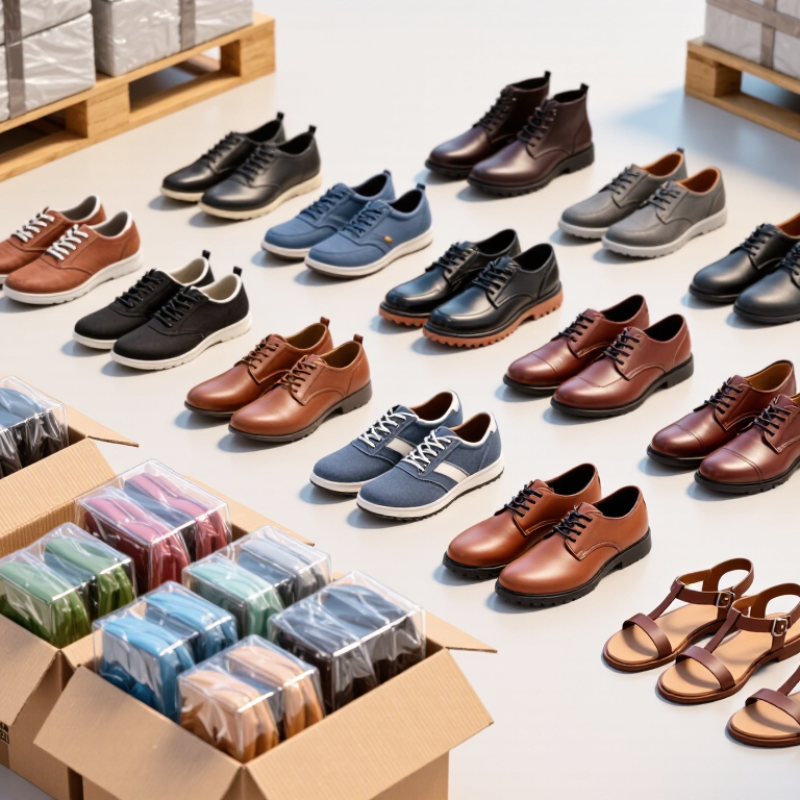
Classification also separates product categories, such as athletic shoes, casual shoes, sandals, boots, children’s footwear, and mixed pairs. A sorted bale usually offers more predictable resale planning than a mixed bale, but it may cost more.

The resale market is expanding. The ThredUp 2025 Resale Report, prepared with GlobalData, projects the global secondhand apparel market to reach 367 billion dollars by 2029. Footwear is only one segment, yet this growth supports stronger demand for organized shoe sorting. World Footwear’s 2024 Yearbook also records footwear as a major global consumer category, reinforcing the need for careful size and condition control.

In practice, a clean-looking top layer can hide damaged pairs underneath. Inspecting several bales matters. Grade labels help, but they never replace evidence.
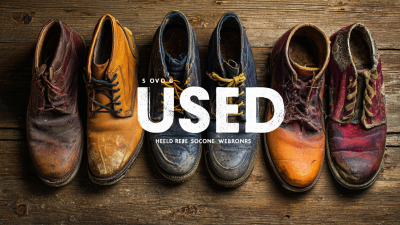
Which Ukay Shoes Bales Are Most Popular With Global Buyers?

Global buyers most often choose ukay shoes bales that combine everyday demand with manageable sorting. Mixed athletic sneakers remain popular because they suit commuting, school, and casual wear. Casual canvas shoes and lightweight sandals also perform well in warm markets. In cooler regions, buyers usually seek boots and closed-toe footwear. Demand changes by climate, income, and local sizing habits.

The 2024 ThredUp Resale Report estimates the global secondhand apparel market could reach 350 billion US dollars by 2028. It also reports that resale is growing faster than the wider clothing market. However, the report does not isolate ukay shoe bales. That gap matters. Suppliers should avoid treating broad resale data as exact footwear evidence.

In practical sourcing, buyers often prefer bales with clear grade descriptions, size ranges, and visible category separation. A bale containing clean white sneakers, low heels, sandals, and work shoes is easier to test in small shops. According to the 2023 Global Footwear Industry report from World Footwear, worldwide footwear consumption exceeded 14 billion pairs in 2022. This supports steady demand, but not every pair sells quickly.

Condition remains decisive. Soles, odor, peeling materials, and mismatched sizes can reduce resale value. Small details matter. Buyers should request recent bale photos, packing weights, and defect percentages before ordering. Even then, results vary. Climate, customs rules, and customer taste can overturn a strong forecast. My practical view is imperfect: the “most popular” bale is rarely universal, but the most transparent one is usually safer.

What Are the Top Ukay Shoes Bales for Global Buyers? - Which Ukay Shoes Bales Are Most Popular With Global Buyers?

Popularity Rank Ukay Shoes Bale Type Typical Shoe Mix Typical Bale Weight Approx. Pairs per Bale Common Buyer Markets Demand Level Why Global Buyers Choose It
1 Mixed Athletic Shoes Running shoes, trainers, court shoes, and general sports footwear 45–55 kg 35–55 pairs Southeast Asia, Africa, Latin America, and the Middle East Very High Broad age appeal, strong resale demand, and easy display in street markets and online shops
2 Mixed Casual Sneakers Low-top sneakers, canvas shoes, casual lace-ups, and everyday trainers 45–55 kg 40–60 pairs Asia, Africa, Eastern Europe, and Latin America Very High Versatile styles, relatively simple sizing, and consistent demand for affordable daily footwear
3 Mixed Sandals and Slides Flat sandals, comfort sandals, beach footwear, and slip-on slides 40–50 kg 45–70 pairs Tropical Asia, Africa, the Caribbean, and coastal Latin America High Lightweight shipping, high suitability for warm climates, and a wide range of low-cost resale options
4 Women's Mixed Footwear Flats, low heels, casual shoes, sandals, and selected sneakers 40–50 kg 40–65 pairs Southeast Asia, Africa, the Middle East, and Latin America High Provides style variety and supports boutiques, market stalls, social-commerce sellers, and thrift retailers
5 Kids' Mixed Shoes School shoes, children's sneakers, sandals, and casual footwear 35–45 kg 50–80 pairs Africa, South Asia, Southeast Asia, and Latin America High High pair volume, practical household demand, and good suitability for budget-conscious families
6 Work and Safety Footwear Work boots, utility shoes, reinforced-toe footwear, and durable outdoor shoes 45–60 kg 25–45 pairs Africa, the Middle East, South Asia, and industrial resale markets Medium to High Durable construction and practical use create demand among workers, contractors, and outdoor customers
7 Formal and Dress Shoes Loafers, oxfords, dress flats, pumps, and formal sandals 40–55 kg 30–50 pairs Africa, the Middle East, South Asia, and selected European resale markets Medium Useful for workwear and events, although demand is more dependent on local dress habits and size availability
Data note: Bale weights and pair counts are typical planning ranges for compressed used-footwear bales. Actual contents vary according to shoe type, size distribution, packing method, material, and sorting grade. Popularity levels represent general wholesale buyer demand rather than a guaranteed sales result.

How Can Buyers Evaluate Quality, Brands, and Bale Contents?

Buying ukay shoes bales requires evidence, not attractive photos. Experienced buyers ask how each bale was sorted, graded, and stored. Request current images of sealed bales and opened samples. Check uppers for deep cracks, peeling, stains, and uneven fading. Examine soles, stitching, insoles, and fastening parts. Category-specific bales, such as casual, athletic, or formal shoes, are often easier to evaluate than mixed bales. A strong bale should contain usable pairs, not only impressive pieces. Moisture and chemical odors deserve immediate questions.

Brand value needs careful definition. A recognizable label does not guarantee resale demand in every country. Compare sizes, styles, condition grades, and seasonal relevance with local sales data. Ask for a written estimate of wearable pairs. Confirm whether pairs are matched, cleaned, and sorted by size. Suppliers should explain defects honestly and provide consistent bale weights. Photos can still hide damaged soles. For larger orders, use an independent inspection service and verify export documents for the destination market.

Before payment, record bale numbers, agreed grades, expected category mix, and acceptable loss rates. Use a small trial shipment when the supplier is unfamiliar. I once judged a bale by its top layer and overlooked several worn soles underneath. That mistake reduced my margin. No inspection method is perfect. Leave room for damaged or unsold pairs. Inspect beneath the top. Reliable sourcing depends on repeatable checks, clear documents, and suppliers willing to answer uncomfortable questions.

Where Can International Buyers Source Reliable Ukay Shoe Bales?

International buyers should source ukay shoe bales through licensed wholesalers, export consolidators, and established resale warehouses. The best suppliers provide bale photos, packing lists, condition grades, and origin documents. They should also explain cleaning procedures and reject damaged footwear before shipment. A sample bale is valuable. It reveals more than polished catalog images.

The market supports careful sourcing. The 2024 ThredUp Resale Report projects the global secondhand apparel market could reach 350 billion US dollars by 2028. Footwear forms an important part of this expanding resale channel. WRAP research also indicates that extending textile use can reduce carbon, water, and waste footprints by around 20% to 30%. These figures support resale, but they do not guarantee every bale is profitable.

Ask suppliers for a detailed manifest, average pair count, size distribution, and defect ratio. Request recent loading photos with visible dates. Confirm HS classifications, import duties, hygiene rules, and consumer-safety requirements in the destination country. A written agreement should define shortages, unusable pairs, inspection rights, and payment milestones.

Cheap is not always reliable. A low-priced bale may contain many unsellable pairs. One missed document can delay customs clearance. Buyers should compare landed cost, not only the supplier’s invoice. Independent inspection is sensible for large orders, although it adds time and expense. No sourcing method is perfect. Weather, mixed sizing, and inconsistent grading can still affect resale results. That uncertainty deserves a realistic reserve budget.

What Import, Pricing, and Shipping Factors Should Buyers Consider?

What Are the Top Ukay Shoes Bales for Global Buyers?

Reliable ukay shoe bales begin with transparent grading, not attractive photos. Ask for size distribution, footwear type, packing weight, and defect rates. A 45-kilogram bale may contain many small sizes or heavily worn pairs. That can reduce sellable inventory quickly.

The United Nations Environment Programme estimates that textile waste reaches 92 million tonnes annually. Reuse helps, but buyers still need quality controls. Request recent opening videos, sample inspections, and a written packing list. Customs rules for used footwear differ widely, so verify import permits, labeling, cleaning, and documentation before payment.

Pricing should include the bale, inland transport, freight, insurance, duties, broker fees, storage, and possible inspection charges. World Bank’s 2023 Logistics Performance Index shows major differences in customs efficiency and shipment timeliness between markets. Therefore, the cheapest supplier may create the highest landed cost.

Compare quotes using the same delivery term and shipment weight. Sea freight usually lowers unit cost, while air freight suits urgent, smaller orders. Currency changes can also damage margins.

Tips:

Start with one test bale. Record sellable pairs, repair needs, and average resale value. A spreadsheet is useful, but imperfect. Photograph every damaged pair. Do not rely only on supplier grades; grading language is not always consistent. Choose traceable payments and keep commercial invoices, packing lists, and customs records. Review local rules with a licensed broker before ordering.