Top 10 Used Brand Tshirt Types Global Buyers Want
Used Brand Tshirt demand reflects a wider shift toward resale, value, and distinctive personal style. ThredUp’s 2024 Resale Report, prepared with research firm GlobalData, estimated that the global secondhand apparel market could reach $350 billion by 2028. It also reported that the U.S. secondhand apparel market grew 14% in 2023. These figures describe the broader resale market, not T-shirts alone. That distinction matters.
For buyers, the appeal is tangible: a faded band graphic, a heavyweight cotton blank, or a familiar sportswear logo can make a shirt feel more individual than a new basic. Yet condition, sizing, authenticity, and reliable product descriptions still shape purchasing decisions. James Reinhart, co-founder and CEO of ThredUp, is a prominent resale-market executive. His company’s research points to resale’s growing role in apparel shopping; this is market context, not a verified quote specifically about used branded T-shirts.
The following list explores ten Used Brand Tshirt types that attract global buyers, from vintage graphic tees to classic logo styles. It considers what makes each type appealing and what shoppers should inspect before buying. Trends can be uneven. A sought-after print may sell quickly in one market and linger in another. That is worth remembering.
Global Resale Market: Secondhand Apparel Projected to Reach $350B by 2028 (ThredUp)
The global resale market is moving beyond occasional thrift shopping. The 2024 Resale Report by ThredUp and GlobalData projects secondhand apparel will reach $350 billion by 2028. That forecast matters for used T-shirt buyers. Supply is becoming more organized, searchable, and price-sensitive.
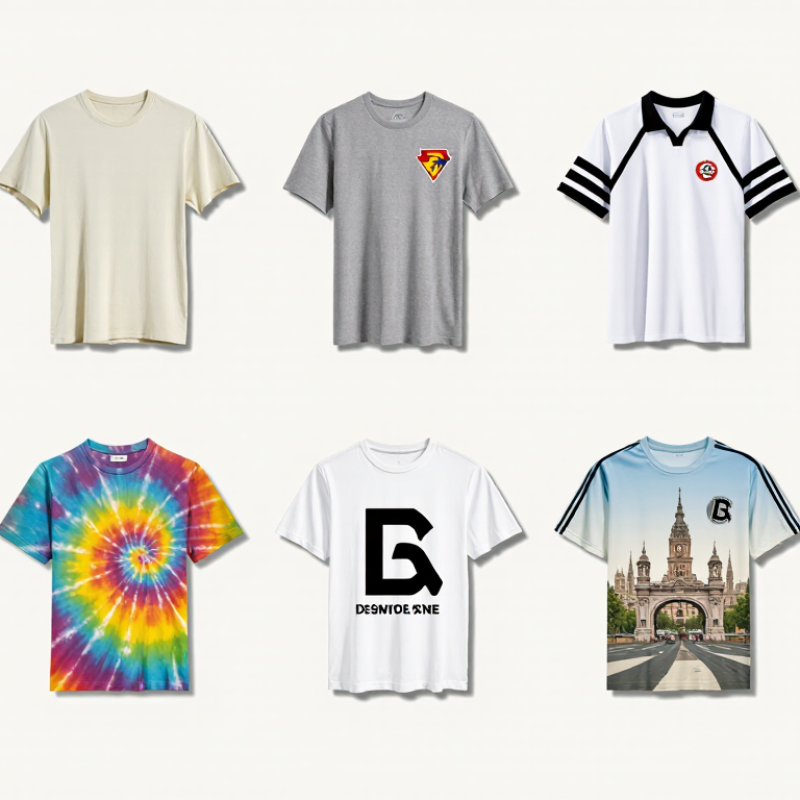
Popular sourcing categories include heavyweight basics, vintage graphics, faded athletic styles, collegiate-inspired shirts, workwear tees, oversized cuts, minimalist designs, long-sleeve layers, event shirts, and premium fabric basics. Buyers often inspect collar stretch, underarm fading, print cracking, fabric weight, and seam condition. A clean neck label helps, but it does not prove authenticity. Photos can mislead. Measurements are safer.
McKinsey’s State of Fashion research also identifies resale as a major growth channel, especially among younger consumers. Yet growth does not make every used T-shirt valuable. Some demand is seasonal. Some forecasts may overestimate repeat purchases. That deserves attention. Experienced resellers compare sold prices, not optimistic listings, and record defects before buying. A shirt with a small stain near the hem may still sell for casual wear, while a damaged collar usually reduces buyer confidence quickly. The strongest opportunities combine recognizable design language, durable cotton, wearable sizing, and transparent condition notes. Numbers guide decisions. They do not replace inspection.
Global Secondhand Apparel Market Growth
Global secondhand apparel market estimates show substantial growth, creating broader opportunities for resale clothing, including pre-owned T-shirts.
The 2028 figure is a forecast. These market-wide figures provide context and do not represent a verified ranking or sales breakdown of T-shirt types. Source: 2024 resale-industry market report.
Sports and Streetwear Tees: Team Jerseys, Skatewear, and Hip-Hop Styles
Used sports and streetwear T-shirts remain strong choices for global buyers. Team jerseys attract fans with bold numbers, breathable mesh, and recognizable color layouts. Buyers often inspect stitching, print quality, and fabric weight before placing bulk orders. A slightly faded graphic may sell well, but heavy cracking usually lowers its value. Size consistency matters more than many sellers expect.
Skatewear tees bring a different appeal. Buyers prefer relaxed cuts, durable cotton, and graphics that suggest movement. Hip-hop styles often feature oversized shapes, strong lettering, and darker color palettes. However, trends change quickly. A design that feels current today may look dated next season. My sourcing experience suggests that mixed assortments perform better than uniform cartons. Still, some buyers prefer narrow selections for specialized stores. Neither approach works every time.
Tips:
Photograph neck labels, seams, hems, and graphic surfaces clearly. Record measurements instead of trusting labeled sizes. Separate new, lightly worn, and visibly worn pieces. Check local textile rules, import requirements, and product descriptions before shipping. Avoid claiming authenticity without reliable evidence. Keep defect notes honest and specific. I sometimes underestimate how strongly small stains affect buyer confidence. That mistake is worth remembering. Fresh washing can improve presentation, but it cannot repair stretched collars or weakened prints. Steady grading builds trust.
Market Signal: U.S. Secondhand Apparel Grew 14% in 2023 (ThredUp)
Top 10 Used Brand T-Shirt Types Global Buyers Want
The U.S. secondhand apparel market grew 14% in 2023, according to the 2024 Resale Report from ThredUp and GlobalData. That increase signals stronger buyer confidence in pre-owned clothing. It also changes what wholesale buyers inspect first. Clean graphic tees, heavyweight cotton shirts, vintage-wash basics, sports-inspired tops, workwear tees, oversized fits, minimalist logo styles, long-sleeve shirts, faded black tees, and limited seasonal designs remain highly searchable categories.
Demand is becoming more practical. Buyers want clear measurements, stable fabric, and visible condition details. A soft cotton tee with minor fading can sell better than a newer shirt with stretched collars. Small flaws matter. So does photography. Close images of necklines, hems, print cracks, and care labels help reduce disputes and improve purchasing decisions.
The same report projects the global secondhand apparel market could reach 350 billion dollars by 2028. That outlook supports larger sourcing programs, but market growth is not automatic. Some popular styles quickly become oversupplied. Color preferences also vary by region. Neutral tones may move steadily, while loud graphics can remain unsold. My field observation is simple: buyers often request “vintage,” yet define it differently. Sellers should record measurements, fabric weight, wear level, and origin details instead of relying on vague labels.