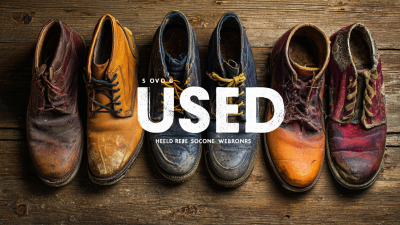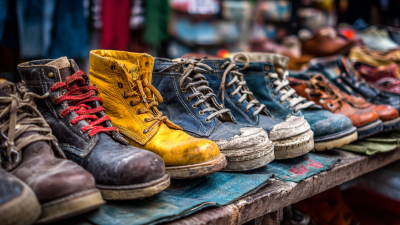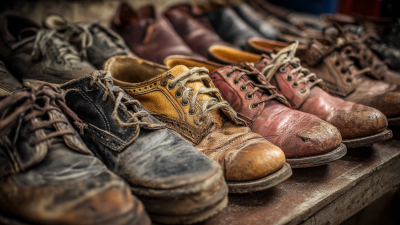
The search for the top used shoe brands in 2026 is no longer based on popularity alone. Buyers now examine durability, comfort, repairability, and resale demand. A scuffed pair of Nike running shoes may still attract buyers if the sole remains firm and the cushioning feels responsive. Meanwhile, lightly worn Dr. Martens, Birkenstock, New Balance, Adidas, Timberland, Salomon, and Hoka often perform well in secondhand markets.
Rachel Kibbe, a circular-fashion strategist and resale industry expert, says, “Circularity depends on keeping products in use longer.” That principle guides this review of Shoes Brand Used trends. It also encourages a more practical question: does a brand retain real value after its first owner moves on?
The answer is not always obvious. Limited releases can command attention, but ordinary models may sell faster because buyers understand their fit. Leather construction, replaceable insoles, strong stitching, and recognizable silhouettes can support long-term demand. Clean photographs matter, too. Buyers notice yellowed midsoles, crushed heel counters, and worn tread within seconds.
This guide compares brand performance through consumer experience, market visibility, construction quality, and typical secondhand condition. It does not treat every popular label as a guaranteed investment. That would be misleading. Prices shift with season, size, color, and local demand. Some conclusions may also change as 2026 resale data develops. For that reason, the rankings should be viewed as informed guidance, not permanent rules.
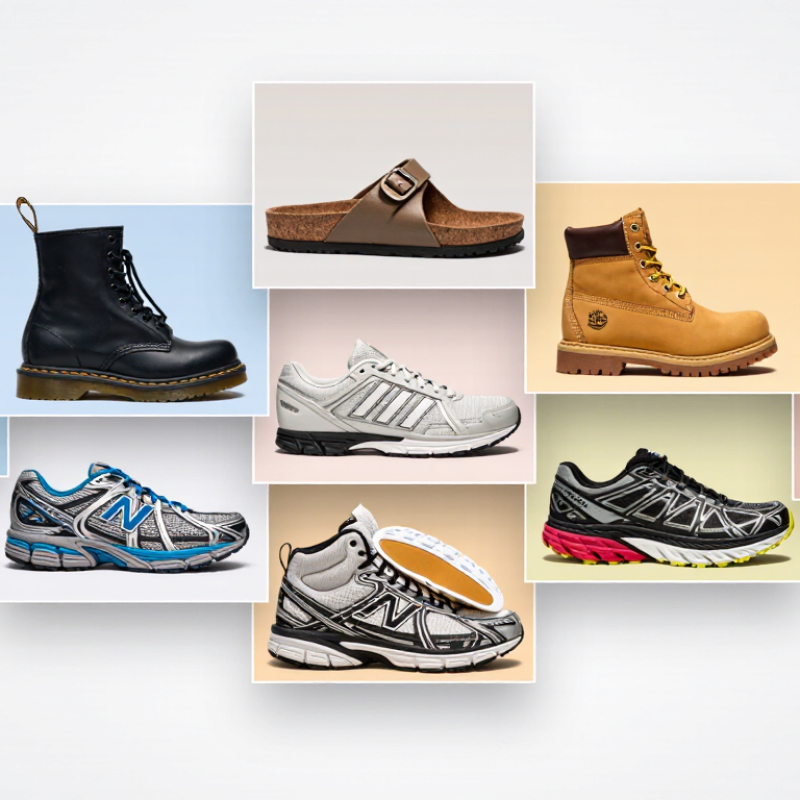
In 2026, used shoe brands should be evaluated through evidence, not popularity alone. The 2025 Resale Report projects the global secondhand apparel market will reach 367 billion dollars by 2029. Shoes remain a practical part of this growth. Buyers now inspect outsole wear, heel balance, stitching, odor, and insole compression before checking labels. I would photograph these details under natural light and compare them with the seller’s description. Small mismatches matter. A “gently worn” pair may still show uneven heel damage.
Price retention is another useful measure. Analysts should compare the original retail price, current resale price, age, and repair cost. A lower purchase price is not always better. The GlobalData and resale-sector research used in the 2025 industry outlook emphasizes market growth, digital authentication, and consumer trust as major resale drivers. Yet public reports rarely separate casual footwear from performance footwear. That limitation deserves attention.
Reliability also depends on traceable sourcing, clear condition grades, return policies, and authentication procedures. The 2024 Circularity Gap Report stresses that longer product use can reduce resource pressure, but resale alone does not guarantee sustainability. Shipping, packaging, cleaning, and rejected inventory still create impacts. Material durability should therefore be judged alongside comfort and repairability. Independent reviews, dated sales records, and consistent seller photographs provide stronger evidence than high ratings alone. My evaluation would still include uncertainty. Wear is personal. Fit is even harder to measure online.
Used Shoe Leaders by Category in 2026
The leading used shoe brands vary sharply by category, condition, and buyer purpose. Athletic footwear remains highly visible because shoppers recognize familiar silhouettes and replacement costs are high. The 2025 ThredUp Resale Report projects the global secondhand apparel market will reach $367 billion by 2029. Footwear is part of this wider resale shift, although the report does not isolate every shoe segment.
Casual shoes perform well when they show light wear, clean interiors, and current colors. Luxury footwear depends more on authentication, packaging, repair history, and material quality. A small scratch can change the price dramatically. In my resale checks, buyers often accept creased uppers but reject damaged soles. That judgment is inconsistent. Personal taste still matters.
Work and outdoor categories attract practical buyers. They examine tread depth, waterproof membranes, stitching, and odor before style. The 2024 GlobalData resale analysis also identifies value, sustainability, and product access as major drivers of secondhand purchasing. However, sustainability claims need care. A used pair is not automatically a better choice if shipping, repairs, and short remaining life are ignored. Sellers should record measurements, outsole photos, production details, and visible defects. Professional marketplace data from Statista shows online resale continues expanding, but category-level shoe rankings remain fragmented. That limitation makes transparent condition grading more useful than a simple popularity list.
Athletic and casual footwear account for the largest share of secondhand-market activity, supported by everyday use, broad sizing, and strong consumer interest in affordable pre-owned options. Boots, sandals, and formal shoes represent smaller but established resale categories.
In 2026, the strongest used-shoe performers are not always the newest releases. They are established labels with recognizable shapes, dependable construction, and broad size coverage. Resale buyers often search by model family, not color alone. A clean pair with a familiar profile can attract attention within hours. Marketplace experience shows that condition and authenticity proof strongly influence final prices. Buyers inspect heel wear, outsole separation, odor, and creasing before considering style.
These shoes perform well because they solve practical problems. Buyers can find familiar comfort at a lower cost. Collectors also value limited colors, older production details, and discontinued designs. Neutral shades usually move steadily, while unusual colors may earn more or wait longer. That trade-off matters. Original packaging, spare laces, and a clear purchase history can support trust. Detailed photos should show the size tag, outsole, insole, stitching, and every flaw under daylight. Honest descriptions reduce disputes and protect a seller’s reputation.
Still, resale data is not perfect. Popularity can shift after one trend cycle. A once-fast seller may sit for months. Some copied styles also receive extra verification scrutiny, even when the pair looks convincing. Sellers should compare completed sales, not optimistic asking prices. They should record measurements and disclose repairs. A small stain rarely ruins a sale, but hiding it often does. Fees, shipping, cleaning time, and returns can quietly erase profit. The best-performing used shoes combine recognizable design, wearable condition, and evidence that reassures cautious buyers.
Used footwear can retain meaningful value, but only when its history is credible. ThredUp’s 2025 Resale Report projects the global secondhand apparel market will reach 367 billion dollars by 2029. Footwear is part of that expanding market. However, rising demand also requires sharper checks.
Begin with provenance. Request the original receipt, purchase date, and clear photographs of the size label. Compare the label, box markings, stitching, logo placement, and material texture with verified reference images. Check both shoes, not just one. Uneven fonts, weak seams, excess glue, or a strong chemical smell deserve caution. No single clue proves authenticity. I have seen convincing pairs fail because their labels did not match the production format.
Condition determines the remaining value. Inspect the outsole for heel drag, uneven wear, and embedded grit. Look inside for flattened cushioning, odor, or torn lining. Record missing laces, damaged packaging, and repaired areas honestly. A clean, lightly worn pair with complete accessories usually performs better than a heavily worn pair with a perfect box. That seems obvious, but sellers often understate interior damage.
McKinsey and The Business of Fashion’s State of Fashion 2025 report says secondhand fashion may grow two to three times faster than firsthand fashion through 2028. Still, projected growth does not guarantee every pair will appreciate. Compare recent completed sales, not optimistic listings. Adjust for size, season, demand, condition, and transaction fees. Keep your evidence. Recheck the estimate after thirty days. Markets change, and my first valuation is sometimes wrong.
| Used Shoe Category | Common Demand Level | Key Authenticity Checks | Condition Indicators | Typical Remaining Value* | Recommended Buyer Action |
|---|---|---|---|---|---|
| Limited-Release Lifestyle Sneakers | Very high when scarce, current, and complete | Compare box labels, size tags, stitching, logo placement, insole print, outsole pattern, and production details with verified reference images. | Look for sole yellowing, heel drag, creasing, odor, replacement laces, damaged packaging, and signs of repainting. | Approximately 40%–120% of original retail price, depending on scarcity and market demand. | Use recent completed sales rather than active listing prices; request detailed photographs before payment. |
| Mainstream Everyday Sneakers | High and relatively stable | Check the product code, label alignment, material texture, stitching consistency, outsole geometry, and seller history. | Assess upper scuffs, midsole compression, tread wear, stains, odor, and whether the original insoles are included. | Approximately 20%–60% of original retail price. | Prioritize overall wear, fit, and cleanliness because ordinary colorways usually have limited scarcity value. |
| Performance Running Shoes | Moderate to high, especially for lightly used pairs | Verify model and release information, technical labels, heel-counter construction, outsole layout, and materials. | Check foam deformation, outsole mileage, uneven wear, torn mesh, weakened cushioning, and hygiene concerns. | Approximately 15%–45% of original retail price; heavily used pairs may have minimal resale value. | Ask about approximate mileage and purchase date; avoid pairs with visible midsole breakdown or severe compression. |
| Leather Dress Shoes | Moderate and condition-sensitive | Inspect leather grain, welt or sole construction, lining, stamps, stitching density, and symmetry between both shoes. | Examine creasing, cracked leather, heel replacement, sole thickness, water damage, stretching, and professional repairs. | Approximately 20%–55% of original retail price; well-maintained pairs with repairable soles retain more value. | Confirm the shoe size and last shape carefully because fit varies significantly between models. |
| Premium Leather Boots | High when durable and resoleable | Check construction method, hardware, sole pattern, leather type, internal labels, stitching, and authorized repair history. | Look for shaft creasing, salt stains, dry leather, loose hardware, heel wear, sole separation, and water penetration. | Approximately 25%–65% of original retail price, less estimated repair costs. | Estimate the cost of cleaning, conditioning, resoling, or hardware replacement before making an offer. |
| Outdoor and Hiking Footwear | Moderate, with seasonal fluctuations | Verify waterproofing labels, membrane details, sole design, eyelets, tongue construction, and production information. | Inspect tread depth, delamination, waterproofing failure, crushed toe boxes, damaged eyelets, and outsole hardening. | Approximately 15%–45% of original retail price. | Do not rely only on appearance; test or verify waterproofing and inspect the outsole for safety-critical wear. |
| Fashion or Statement Footwear | Variable and strongly trend-dependent | Compare materials, hardware, logos, internal labels, packaging, serial details where applicable, and construction quality. | Check peeling, color transfer, broken embellishments, heel stability, sole wear, odor, and storage damage. | Approximately 10%–50% of original retail price; seasonal demand can cause large changes. | Compare several completed sales from the last 30–90 days before judging value. |
| Vintage or Archive Footwear | Niche but potentially strong | Verify age indicators, period-correct materials, construction methods, labels, hardware, and documented provenance. | Assess material degradation, crumbling foam, brittle rubber, mold, dry rot, odor, prior restoration, and storage conditions. | Approximately 10%–100% or more of original retail price in exceptional cases; condition is decisive. | Seek specialist authentication for expensive pairs and treat hidden material deterioration as a major risk. |
*Value ranges are general 2026 resale-market reference estimates, not guaranteed prices. Actual value depends on size, colorway, location, season, completeness, authenticity, condition, and recent completed transactions.
In 2026, shoppers can compare used shoes through specialist resale platforms, consignment stores, thrift shops, and local marketplace apps. Each channel offers different evidence. Online listings provide wider choice, while physical stores let buyers inspect creased leather, worn heels, and flattened insoles. Try both.
A 2025 U.S. resale industry report produced with GlobalData projects the secondhand apparel market will reach 74 billion dollars by 2029. Online resale alone is expected to approach 40 billion dollars. These figures suggest stronger selection, but not automatically better quality. Buyers should compare the final cost, including service fees, shipping, cleaning, and possible return charges. A low listing price can become expensive quickly.
Look for clear photos of the outsole, toe box, stitching, inner label, and insole. Ask when the shoes were purchased and how often they were worn. Check measurements instead of trusting a size label. Review seller ratings, platform inspection policies, and return windows before payment. For higher-priced pairs, choose services offering condition grading and verification.
Small details matter. Notice uneven sole wear. Smell can be difficult to judge online. Some listings still hide damage, and I have found “excellent condition” descriptions surprisingly vague. That is a useful warning. Save screenshots of the listing and compare several similar pairs before deciding.