
Women Sports Shoes are becoming a strategic product choice for global buyers, not merely a seasonal fashion item. McKinsey & Company and the World Federation of the Sporting Goods Industry reported continued growth in global sporting goods through 2025, supported by wellness habits and women’s rising participation in sport. Their 2024 industry analysis also highlights women as an important source of market expansion. The opportunity is real.
Market data still needs careful interpretation. Statista Market Insights estimates that global athletic footwear revenue exceeds US$150 billion annually, although figures differ by definition and region. The World Footwear Yearbook shows strong international dependence on footwear supply chains, with Asia remaining central to production and export activity. For buyers, this creates both scale and risk. A low factory price may become expensive after freight, testing, returns, and unsold inventory.
A practical product assessment should examine more than appearance. Buyers can compare heel stability, breathable mesh, outsole grip, cushioning response, and size consistency. A running shoe for a wet London commute needs different details from a training shoe for a Singapore gym. Packaging, material traceability, and supplier documentation also influence long-term value. These details matter.
Women Sports Shoes may offer repeat-purchase potential, broader lifestyle use, and stronger category visibility. However, assuming every female customer wants a lighter color or narrower fit is outdated. That assumption deserves testing through regional data, wearer feedback, and small-batch launches. Industry reports provide direction, not certainty. Experienced global buyers combine those reports with factory audits, sample testing, and transparent quality controls before scaling orders.
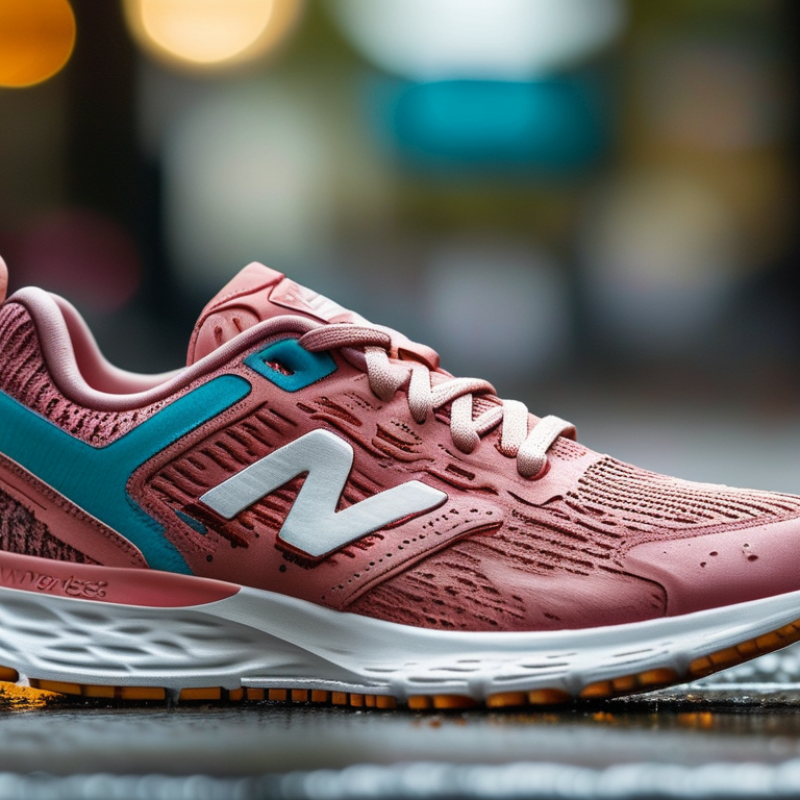
Women’s sports shoes are footwear designed for movement, comfort, and daily physical activity. They may support walking, running, training, or casual use. The best choice depends on activity, foot shape, climate, and personal comfort. “Women’s” usually refers to fit proportions, not a fixed rule for every wearer.
A reliable sports shoe normally includes a breathable upper, cushioned midsole, and durable outsole. The upper should allow airflow while holding the foot securely. The midsole helps absorb impact during steps and jumps. The outsole needs suitable traction for indoor floors, roads, or light trails. A wider toe box may reduce pressure, but it will not suit every foot. Weight, heel support, flexibility, and moisture control also affect daily performance. Product descriptions should state these details clearly, with accurate materials and size measurements. Vague claims can mislead buyers.
Tips: Check your foot length in the evening. Feet often swell slightly. Compare both feet with the size chart. Wear the socks used for exercise. Walk on a clean surface before extended use. A comfortable shoe should feel stable, not tight. Still, no design fixes every foot problem, and sizing charts can occasionally be imperfect. Properties such as cushioning may also change after repeated use.
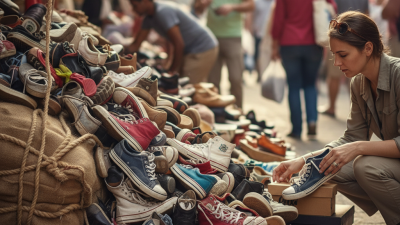
Women’s sports shoes can support comfort and athletic performance when their design matches the activity. For global buyers, comfort is not a vague promise; it is noticeable during movement. A well-fitted pair supports the heel, cushions repeated impact, and allows the toes to spread naturally. This matters during training, commuting, and long hours on hard indoor floors. Small details matter. Breathable mesh may reduce trapped heat, while a padded collar can limit rubbing around the ankle.
Athletic performance depends on fit as much as motivation. A stable sole may improve balance during lateral drills, while a flexible forefoot supports running and jumping. However, softer is not always better. Excessive cushioning can reduce ground feel for some activities, and narrow designs may create pressure across the forefoot. Buyers should check sizing charts, foot width, intended sport, and return conditions before ordering internationally. Materials, stitching, and outsole patterns also deserve careful inspection.
Practical fitting experience shows that no shoe solves every foot problem. Even a technically sound design may feel uncomfortable after several hours. Buyers should test shoes gradually, preferably on a clean indoor surface, before demanding intense performance. Reliable product information should explain cushioning, support, weight, and intended use clearly. Customer reviews can reveal useful details, but they are personal evidence, not laboratory proof. The best choice balances comfort, movement control, durability, and honest expectations.
Key product dimensions and performance considerations for comfort-focused and athletic footwear purchasing
| Product Dimension | Typical Data or Range | Comfort and Performance Benefit | Why It Matters to Global Buyers |
|---|---|---|---|
| Women-specific last and fit | Women’s footwear commonly uses a women-specific last, often with a comparatively narrower heel section and a fit profile adapted to women’s foot-shape data. Fit still varies significantly by individual. | A suitable heel and midfoot fit can reduce slipping, rubbing, and unnecessary movement inside the shoe. | A dedicated women’s fit can improve purchase confidence, reduce returns, and support customers with different foot proportions. |
| Foot-length sizing | Mondopoint-style sizing measures the foot in millimetres. For example, a 240 mm foot is approximately equivalent to a US women’s 7, although conversions differ between sizing systems. | Measuring foot length provides a more consistent starting point than relying only on regional size labels. | Millimetre measurements help international buyers compare products across US, UK, EU, and Asian size systems. |
| Heel-to-toe drop | Common sports-shoe designs range from approximately 0 to 12 mm. Lower drops promote a flatter stance, while higher drops provide more heel-to-forefoot elevation. | Drop influences stride feel, calf loading, and transition from heel to toe. The best value depends on activity and personal preference. | Offering several drop options helps serve runners, gym users, walkers, and customers transitioning between activities. |
| Midsole cushioning | EVA, expanded EVA, TPU, and blended foam constructions are widely used. Cushioning level may range from firm and responsive to soft and highly protective. | Foam helps distribute plantar pressure and absorb part of the repetitive loading created during walking, running, and jumping. | Different markets have different preferences for softness, responsiveness, and durability, so product variety improves market coverage. |
| Shoe weight | Many women’s running and training shoes weigh approximately 180–320 g per shoe, depending on size, cushioning, upper materials, and stability components. | Lower weight can support efficient movement, while additional structure may improve protection and stability. | Weight specifications allow buyers to compare products objectively for travel, daily wear, racing, and high-intensity training. |
| Upper breathability | Engineered mesh and knitted textiles are commonly used to increase airflow. Breathability depends on mesh density, lining, overlays, and the amount of upper material. | Improved ventilation can help manage heat and moisture during prolonged activity. | Breathable shoes are particularly relevant in warm or humid climates and for buyers seeking versatile everyday sports footwear. |
| Outsole traction | Rubber, carbon rubber, and durable rubber compounds are common. Lug depth and tread pattern vary according to road, gym, trail, or court use. | A suitable tread pattern improves grip and can support safer acceleration, braking, lateral movement, and changes of direction. | Clear surface-specific traction information helps international customers select shoes for local terrain and climate conditions. |
| Toe-box space | A well-fitting toe box should allow the toes to extend naturally, with enough length for approximately 10–15 mm of space beyond the longest toe during active use. | Adequate space helps reduce toe pressure, friction, and discomfort caused by foot expansion during exercise. | Offering regular, wide, and extra-wide options can better serve different foot shapes and reduce fit-related returns. |
| Activity suitability | Road running generally prioritizes cushioning and smooth transitions; training shoes emphasize stability; court shoes emphasize lateral support; trail shoes emphasize grip and protection. | Matching construction to movement type improves support, durability, and comfort during the intended activity. | Activity-based product classification makes online and cross-border purchasing easier and more transparent. |
| Durability and care | Service life depends on usage, surface, body weight, construction, and storage. Running shoes are often assessed for replacement when cushioning, outsole wear, or upper damage becomes noticeable rather than by a fixed mileage rule. | Regular inspection helps maintain traction, cushioning, and structural support. | Care guidance and realistic replacement indicators improve customer satisfaction across different climates and usage patterns. |
Global buyers increasingly choose women’s sports shoes for their practical fit, activity-specific support, and everyday versatility. However, one design cannot serve every movement. The right pair depends on impact, surface, distance, and foot stability.
Running shoes usually feature flexible forefoot areas, shock-absorbing midsoles, and breathable mesh. They suit road jogging, treadmill sessions, and regular training runs.
For gym workouts, cross-training shoes offer firmer side support and flatter soles. This design helps with squats, lunges, and quick lateral movements.
Court shoes need stronger grip and reinforced sidewalls. They support repeated stops on tennis, badminton, or indoor court surfaces.
I have found that a soft running sole can feel unstable during side-to-side drills.
Hiking shoes or lightweight trail shoes protect feet on gravel, mud, and uneven paths. Look for deeper tread, toe protection, and water-resistant materials.
Walking shoes generally use flexible cushioning and roomy forefoot shapes. They work well for commuting, travel, and long shopping routes.
Fit matters more than appearance. Leave about one thumb-width before the longest toe, and test the shoes with activity socks. No size chart is perfect. Feet can swell after several hours, especially in warm climates. Some buyers may also need wider options or removable insoles. A beautiful shoe can still fail if the heel slips or the arch feels strained.
Women’s sports shoes appeal to global buyers because they combine daily comfort with practical performance. In my experience, shoppers often choose one pair for commuting, light training, travel, and weekend walking. A flexible sole matters on crowded city streets. Breathable mesh feels useful in warm, humid weather. It can feel less comfortable in cold rain, though.
Fit remains a serious buying factor. Buyers compare size charts, width options, heel support, and return policies before ordering across borders. Small details build trust, such as clear photos of the outsole and accurate weight information. I have seen attractive shoes disappoint when the toe box felt narrow after two hours. Style alone is not enough.
Reliable suppliers should explain material composition, production standards, packaging, and quality inspections. Buyers may also check whether dyes, adhesives, and labeling meet destination-market requirements. Cushioning should be tested for repeated impact, not judged only by touch. Still, product descriptions can sound more certain than real performance. Independent reviews and sample orders reveal gaps. A slightly imperfect sample is useful because it exposes weaknesses before larger purchasing decisions. Daily comfort wins.
Global buyers should evaluate women’s sports shoes beyond color and appearance. Fit is critical, especially because sizing can vary between regions. Measure foot length and width, then compare them with the seller’s size chart. A size chart helps, but it is never perfect. Toe space, heel stability, and arch support should match the intended activity, from walking to court training.
Material choice also affects comfort and product life. Breathable mesh can help during warm-weather exercise, while layered materials may offer better structure in cooler climates. Buyers should examine outsole grip, cushioning, stitching, and moisture resistance. Practical wear testing often reveals weaknesses that product photos hide. Supplier reliability matters too. Request material details, test reports, production samples, and clear information about quality checks. Confirm that labeling and safety documentation meet the destination market’s requirements.
Tips: Compare samples before placing large orders. Test shoes on hard floors and uneven surfaces. Ask about return terms, minimum quantities, and packaging protection. Check whether materials suit local weather. Avoid judging comfort from appearance alone. A low price can become expensive when sizing errors, weak soles, or inconsistent batches create returns. Even careful buyers may overlook regional foot shapes, so feedback from local users should guide the final decision.