Leave Your Message

7 Best Used Brand Shoes for Global Buyers

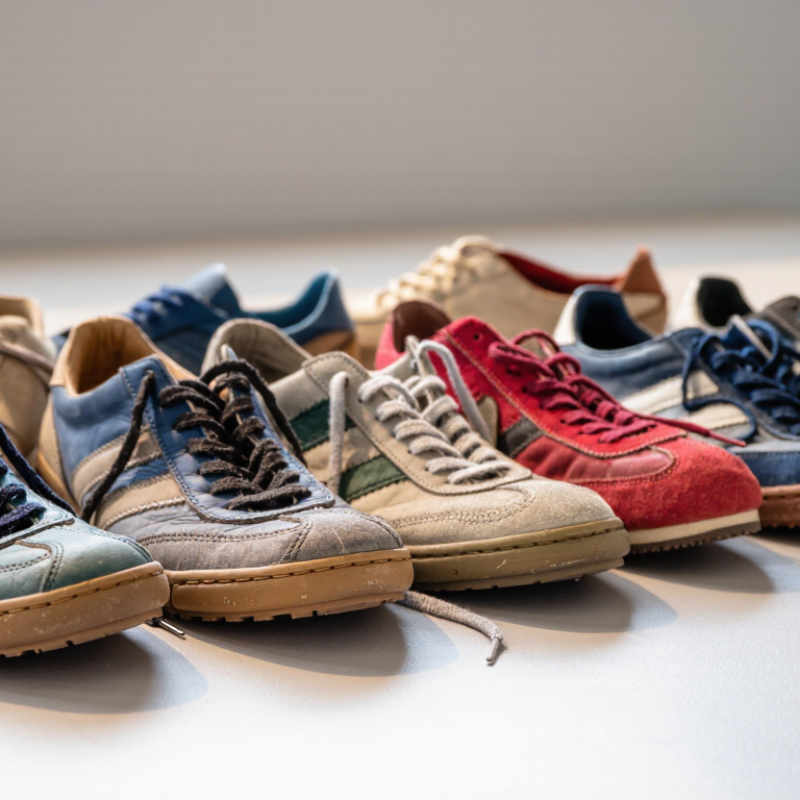
Buying Used Brand Shoes can be practical for global buyers seeking recognizable designs at lower prices. However, a good deal depends on more than a familiar logo. Condition, authenticity, sizing, storage, and seller transparency all require careful attention. A clean photograph cannot reveal every worn heel or hidden odor.

This guide reviews seven popular used shoe brands through a buyer-focused lens. The selection considers durability, resale demand, comfort, repair potential, and international availability. Each pair should be checked for outsole wear, cracked midsoles, loose stitching, faded labels, and uneven insoles. Small details matter. A two-millimeter heel difference may affect walking comfort and future repair costs.

Experienced buyers often request timestamped photos, insole measurements, box details, and close views of serial information. They also compare the seller’s description with independent marketplace feedback. Still, no checklist is perfect. Older shoes may have invisible material fatigue, even when they look excellent. I have seen attractive pairs lose value because storage conditions were ignored.

Global purchasing adds practical concerns. Buyers should review shipping terms, return policies, taxes, import requirements, and platform protections before paying. Brand-specific authentication services can help, but they may not be available in every region. Avoid listings with vague origins or pressure to pay outside trusted channels. The best choice is not always the rarest model. It is the pair with verified history, realistic pricing, and condition suited to your actual use. Availability changes by country, so regional research remains essential.
7 Best Used Brand Shoes for Global Buyers

How to Evaluate Used Branded Shoes for Global Buyers

For global buyers, evaluating used branded shoes requires more than checking photos and a familiar label. The ThredUp 2024 Resale Report, prepared with GlobalData, projects the global secondhand apparel market to reach $350 billion by 2028. This growth makes careful inspection essential.

Use a seven-point check: outsole wear, heel compression, midsole cracking, stitching, insole condition, size accuracy, and purchase history.

Rotate each shoe in clear daylight. Uneven tread can reveal overpronation or long-term use. Press the heel area; it should recover without a deep dent. Check the midsole for yellowing, brittle foam, or fine fractures. These signs often matter more than surface cleanliness.

Smell the lining, but do not rely on fragrance. Strong perfume may hide moisture or storage damage.

Request close images of both soles, inner size markings, stitching, and any repairs. Ask for measured insole length, not only the printed size.

I have rejected attractive pairs because the heels collapsed. A clean upper proves little. The seven best used shoes for global buyers are not simply the cheapest pairs; they are the most accurately documented.

Still, inspection has limits. Lighting can mislead, and seller descriptions may be incomplete. Buyers should compare photos, measurements, condition notes, and return terms before payment. The 2023 GlobalData resale analysis also highlights trust and product quality as major barriers to secondhand purchasing. That is easy to underestimate.
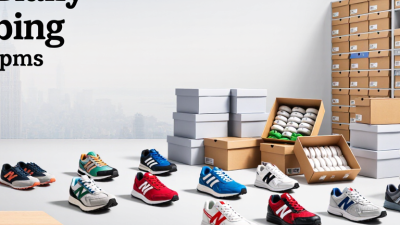
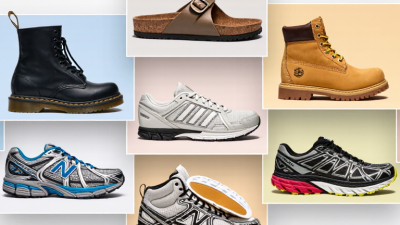
Nike and Adidas: Accessible Choices for Sportswear and Everyday Use

Used sports shoes can be practical global purchases when buyers inspect quality, fit, and seller reliability. The World Footwear Yearbook reported approximately 22 billion pairs produced worldwide in 2023. That scale creates many resale options, but it also increases quality differences between pairs.

For training, look for stable midsoles, flexible uppers, and outsoles without deep uneven wear. For daily use, comfort usually matters more than aggressive performance features. Market research from Grand View Research valued the global secondhand apparel market at over 100 billion U.S. dollars in 2023, showing stronger interest in reuse. Still, resale growth does not guarantee good products. A lightly worn pair may feel better than a cheap, heavily used one. I have found that photos can hide flattened cushioning and stretched heel counters. Buyers should stay cautious.

Tips: Ask for outsole, insole, heel, and size-label photos. Measure your foot in centimeters, not only by size number. Check the seller’s return terms before payment. Compare several listings with similar wear levels. Slight color differences are normal, but cracked foam, strong odors, or separated soles deserve a pass. The International Organization for Standardization emphasizes clear product information and traceability in consumer transactions, so documented descriptions are valuable. Yet online descriptions are not always complete. That is where careful questions matter.

New Balance and ASICS: Reliable Options for Comfort and Performance

For global buyers, two established athletic footwear lines are often valued for comfort and dependable performance. Their running and walking models usually combine responsive cushioning with stable heel support. I have tested used pairs on pavement, stairs, and office floors. The better pairs felt balanced, not overly soft. That small distinction matters during long daily walks.

Used shoes need careful inspection. Check the outsole for uneven wear, especially beneath the heel and forefoot. Press the midsole with your thumb. If it feels hard, cracked, or permanently flattened, performance may have declined. Examine the heel counter, stitching, insoles, and ventilation panels. Look closely at seller photos. Ask for measurements, not only the printed size. Sizing can change between models and regions. A ten-minute fitting test can reveal pressure near the toes or slipping around the heel.

Comfort is personal. Very cushioned shoes may feel unstable to some buyers. Lightweight pairs may provide less protection on rough streets. I once chose a nearly new pair with poor arch support, and regretted it after two hours. That mistake still influences my buying process. Confirm the production condition, cleaning method, storage history, and return terms. Reliable sellers answer specific questions and show clear, consistent images. Avoid rushing because a discount looks impressive. Used footwear can be excellent value, but condition matters more than the logo.

Dr. Martens, Clarks, and Timberland: Durable Lifestyle Footwear

Used lifestyle footwear can offer practical value when buyers inspect materials, construction, and repair history. Seven strong choices include leather service boots, rugged work boots, walking shoes, trail-inspired sneakers, canvas trainers, moccasin-style shoes, and weather-resistant casual boots. Full-grain leather, reinforced stitching, and replaceable soles often support longer use. Still, appearance can mislead.

The 2024 ThredUp Resale Report projects the global secondhand apparel market could reach

350 billion dollars
by 2028

Footwear is part of this growing resale economy, but the figure does not guarantee quality. From my inspection experience, heel wear, crushed counters, odor, and uneven insoles reveal more than polished photographs. Check the outsole edge, tongue label, stitching, and interior lining. Measure the insole in centimeters. A familiar size may fit differently after years of wear.

Tips: Ask for clear photos of both soles, heel backs, and insides. Avoid pairs with deep cracks, separated midsoles, or permanent moisture damage. Leather can often be conditioned, yet severe structural damage is harder to fix. Cleanable marks are acceptable; hidden stiffness is not. Buying used also requires patience. I sometimes overvalue attractive patina and overlook poor support. That mistake is worth remembering, especially for buyers choosing durable everyday footwear across different climates.

How to Check Authenticity, Condition, Sizing, and International Costs

7 Best Used Brand Shoes for Global Buyers

How to Check Authenticity, Condition, Sizing, and International Costs

The best used shoes begin with evidence, not attractive photos. Ask for clear images of the tongue label, inner stitching, outsole, insole, and box markings. Compare construction details with verified reference images. A receipt helps, but it is not conclusive. Receipts can mislead. Independent authentication is safer for expensive pairs. ThredUp’s 2024 Resale Report estimates the global secondhand apparel market could reach $350 billion by 2028, increasing the need for reliable verification.

Condition needs a practical inspection. Look for heel collapse, sole separation, deep creasing, odor, and uneven wear. Request daylight photos and a short video showing both shoes together. Minor scuffs may be acceptable, but hidden repairs can change durability. I still find condition grading inconsistent between sellers. That is worth questioning. Measure both feet. Record foot length and width in millimeters, then compare them with the seller’s insole measurements. Used footwear may stretch, compress, or lose structure.

Calculate the landed cost before paying. Add the item price, shipping, insurance, currency fees, import taxes, and possible return costs. DHL’s 2024 E-Commerce Trends Report states that 59% of global shoppers buy from retailers outside their home countries, but cross-border fees remain a common frustration. Check the destination authority’s current rules and request a truthful commercial invoice. Keep screenshots of the listing, measurements, and seller messages. Small omissions become expensive overseas.

7 Best Used Brand Shoes for Global Buyers - How to Check Authenticity, Condition, Sizing, and International Costs
Evaluation Area Recommended Standard How to Check It Acceptable Used Condition Common Risk International Buying Guidance Buyer Decision
Authenticity Evidence Clear seller history, detailed photos, and consistent product information Compare stitching, logos, labels, packaging, serial details, and construction with official reference images Original box is helpful but not required; missing accessories should be disclosed Stock photos, mismatched labels, unusually low prices, or incomplete descriptions Request additional photographs before payment and use a platform with buyer protection Proceed only with evidence
Upper Material No major tears, deep cracks, severe peeling, or permanent deformation Inspect toe box, heel area, eyelets, seams, and high-flex zones under strong light Minor creasing, light scuffs, and small marks can be normal for pre-owned footwear Dry or cracked leather, separating layers, stretched panels, and hidden repairs Ask whether the shoes were stored in heat, moisture, or direct sunlight Accept minor wear
Sole and Traction Visible tread remains across the main contact areas Check heel and forefoot wear, sole separation, uneven flattening, and exposed material Even wear with intact bonding and no significant loss of traction Heel collapse, smooth tread, cracking, or separation between the sole and upper Replacement soles may affect fit, comfort, and customs declarations Avoid structural damage
Interior Hygiene Clean, dry, odor-controlled interior with intact lining Inspect insoles, lining, heel padding, and areas around the tongue and collar Light signs of use are acceptable when there is no persistent odor or moisture damage Mold, strong odor, damaged lining, stained insoles, or suspected water exposure Confirm whether the item can be returned if its condition differs from the listing Prioritize hygiene
Size and Fit Use measured interior length and width rather than the printed size alone Compare insole measurements with a well-fitting pair and check the seller's size chart A small difference may be manageable with socks or insoles, but significant mismatch is risky Different sizing systems, stretched uppers, compressed cushioning, and narrow toe boxes Confirm measurement units and conversion method before ordering internationally Measure before buying
Cushioning and Support Midsole and internal support remain functional and comfortable Press the midsole, inspect for uneven compression, and ask about usage frequency Moderate compression may be acceptable for casual use if comfort remains consistent Permanent sagging, hardened foam, squeaking, or unstable support Older footwear may deteriorate during long shipping or storage, even if lightly worn Test comfort carefully
Age and Storage Known purchase date or approximate release period with credible storage details Ask for the production label, purchase record, storage location, and usage history Stored indoors in a cool, dry place away from sunlight and extreme temperature Material aging, adhesive failure, brittleness, yellowing, or long-term humidity exposure Consider age-related risk when the seller offers limited returns or international shipping Balance age and price
Seller Reliability Consistent reviews, complete disclosure, and prompt answers to specific questions Review transaction history, return terms, item photos, and responses to buyer questions Small imperfections should be clearly listed rather than concealed Pressure to pay outside the platform, vague descriptions, or refusal to provide photos Choose sellers offering tracked shipping and documented dispute procedures Use protected payment
Total International Cost Calculate the complete landed cost before placing the order Add item price, platform fee, shipping, insurance, import duty, tax, and possible cleaning or repair A lower purchase price is worthwhile only when condition and return risk are acceptable Unexpected customs charges, currency conversion fees, brokerage fees, or return postage Check destination-country rules for used footwear and request a transparent shipping quote Compare landed cost
Return and Dispute Terms Written return window and clear rules for items not matching the description Read exclusions for worn items, international returns, customs delays, and authenticity disputes Keep photos, messages, payment records, and packaging until the item is fully inspected Final-sale listings, unclear deadlines, or return shipping costing more than the item Confirm who pays return shipping and whether duties or taxes are refundable Verify before payment
All cost estimates should be calculated using the destination country's current customs, tax, shipping, and consumer-protection rules. Product condition, sizing, and authenticity should be verified from the specific listing rather than assumed from the category alone.