How to Choose the Best Vintage Bags for Your Collection?
Vintage Bags have become increasingly sought after in recent years. According to a report by Statista, the global market for vintage items is expected to reach over $400 billion by 2025. This growth reflects a rising interest in sustainable fashion and unique accessories. Collectors appreciate the charm and history of vintage bags.
Choosing the right piece can be daunting. The variety is vast, with styles ranging from iconic Chanel to rare Gucci. Each bag tells a story and can serve as a statement piece in any wardrobe. Yet, buyers must navigate issues like authenticity and condition. Reports indicate that nearly 30% of vintage buyers experience uncertainty about the quality of their purchases.
Understanding your personal style is essential when selecting Vintage Bags. Factors like brand, era, and craftsmanship play critical roles. Investing in a quality piece can enhance your collection significantly. However, always be cautious and do thorough research before making a purchase. Engaging with experts and communities can bolster your confidence in choosing the best vintage additions for your collection.
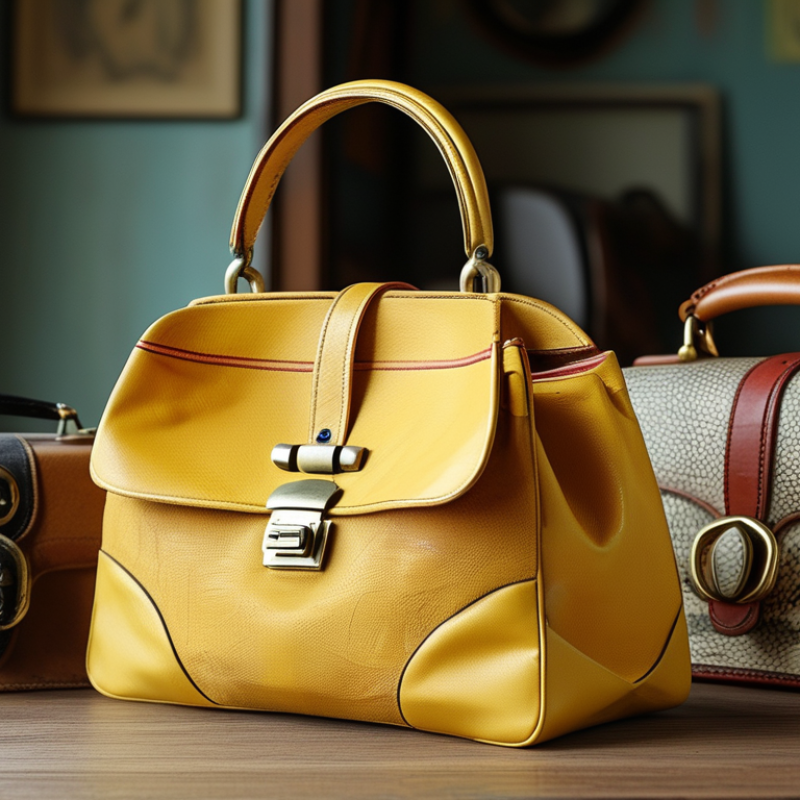
Understanding Vintage Bags: A Historical Overview and Market Trends
Vintage bags tell unique stories. Each piece carries its history, shaped by fashion trends and cultural shifts. From leather satchels of the 1960s to beaded clutches of the 1920s, these bags appeal for their artistry and craftsmanship. Understanding their origin enriches the collecting experience.
Market trends highlight a growing appreciation for sustainable fashion. Vintage bags offer an eco-friendly alternative to fast fashion. Collectors are often drawn to the storytelling aspect of these items. Yet, not every vintage bag holds its value. Authenticity can be hard to verify. High production numbers can diminish rarity. Buyers need knowledge to navigate the market.
A well-informed collector examines details. Inspect materials and stitching. Look for signs of wear that add character. Research past collections and iconic designs. Engaging with experts can provide deeper insights. Vintage bags are not just fashion items; they are historical artifacts. They require more than a casual glance to truly appreciate.
Key Factors to Assess When Evaluating Vintage Bag Quality and Authenticity
When evaluating vintage bags, the quality and authenticity are paramount. A study by The RealReal found that 73% of vintage shoppers prioritize authenticity over price. This statistic highlights the growing importance of ensuring that your purchase is genuine. Inspect the bag's stitching, hardware, and lining closely. Authentic vintage bags usually have consistent stitching with no loose threads. Make sure the hardware is heavy and feels solid. Lightweight and flimsy components may indicate a reproduction.
Telltale signs of vintage authenticity often include unique identifiers. Labels, serial numbers, and craftsmanship details can tell you a lot. Researching the specific era and style aids in identifying legitimate features. A report from ThredUp emphasizes that knowledge is power: 67% of savvy buyers conduct research before purchasing. Additionally, assessing the bag's condition is crucial. Vintage bags should show signs of wear that reflect their age but should not be overly damaged. Look for unique patinas or subtle scuffing that add character. Understanding what constitutes appropriate wear can prevent costly mistakes.
Engaging with experts or vintage communities can enhance your knowledge. This way, you learn from others' experiences. However, one must be cautious of overconfidence. Sometimes, even seasoned collectors make errors in judgment. The vintage market can host fakes that expert eyes might miss. Take your time, and don't rush your decision. A thoughtful approach often leads to the best finds.
Popular Vintage Bag Brands: Insights into Value and Collector Demand
When curating a collection of vintage bags, understanding brand popularity is essential. Some brands consistently attract collectors due to their heritage and craftsmanship. These brands often reflect unique design elements that stand the test of time. For instance, bags made from high-quality leather not only age beautifully but also reveal stories of their past owners.
Tips for selecting vintage bags include paying attention to the stitching. Well-made bags feature consistent stitching patterns. Look for minor flaws that add character. However, don’t ignore key details. Ensure the bag has its original hardware, which often influences value.
Collector demand can fluctuate, making it critical to research current trends. Check online auction sites and vintage forums for insights into which brands are gaining traction. Be wary of fakes; knowledge is your best defense. Connect with fellow collectors to share experiences and tips. The vintage bag market offers joy and potential challenges. You'll learn with each purchase decision.
How to Choose the Best Vintage Bags for Your Collection?
| Bag Type |
Popular Materials |
Average Price Range |
Collector Demand (1-5) |
Condition Importance (1-5) |
| Crossbody Bags |
Leather, Canvas |
$150 - $600 |
4 |
4 |
| Tote Bags |
Nylon, Canvas, Leather |
$100 - $400 |
5 |
3 |
| Clutches |
Silk, Satin, Embellished Fabrics |
$200 - $800 |
3 |
5 |
| Backpacks |
Leather, Canvas |
$120 - $500 |
4 |
4 |
| Shoulder Bags |
Leather, Synthetic Materials |
$150 - $700 |
5 |
4 |
Strategies for Sourcing Vintage Bags: Auctions, Estate Sales, and Online Platforms
Sourcing vintage bags requires a keen eye and strategic approaches. Auctions are a popular option for serious collectors. They offer unique pieces that are hard to find elsewhere. According to a report by the Antique Collectors’ Club, auctions can see a 20% increase in the value of certain bags over five years. This reflects the growing demand in the vintage market.
Estate sales also serve as a treasure trove for vintage enthusiasts. Many find excellent deals at these sales. However, competition can be fierce. It’s essential to arrive early and be prepared for unexpected prices. A survey by Vintage Fashion Guild indicates that collectors often score bags at half price during estate sales compared to retail.
Online platforms have revolutionized how collectors source items. Websites specializing in vintage allow easy browsing of numerous listings. Yet, beware of potential pitfalls. Not all sellers are reputable, and authenticity can be difficult to assess. It’s crucial to read reviews and check seller ratings. A report by ThredUp shows that 70% of online shoppers value authenticity verification highly. Balancing convenience with caution can lead to valuable finds.
Maintenance and Care Tips for Preserving Your Vintage Bag Collection
Maintaining a vintage bag collection requires care and attention. Humidity and temperature fluctuations can affect delicate materials. According to a report by the Fashion Institute of Technology, 70% of vintage items suffer damage from improper storage. Always keep bags in cool, dry places. Use breathable dust bags to prevent mold growth. Avoid plastic covers, as they trap moisture.
Regular cleaning is crucial but must be done carefully. Use a soft, damp cloth for most materials. For leather, a specialized conditioner can prevent drying out. The Leather Working Group suggests conditioning leather bi-annually to preserve its integrity. Avoid over-cleaning; it can strip away essential oils from the material.
Inspect your collection regularly. Watch for signs of wear, such as loose stitching or fading colors. Addressing small issues early can prevent larger problems later. Statistics show that 30% of vintage bag owners neglect regular inspections. This can lead to irreversible damage. Each bag tells a story, so preserving its condition is vital for future enjoyment.
Vintage Bags Condition Ratings