Second Hand Designer Clothes offer more than lower prices. They provide access to recognizable design, skilled construction, and distinctive materials. A pre-owned silk dress can still show careful stitching, while a structured leather handbag may develop a richer patina over time. These details make each purchase feel personal.
This guide explores the most popular categories, including designer dresses, handbags, shoes, coats, denim, knitwear, and accessories. Each type has different advantages and risks. Handbags often retain value well, but their corners and handles need close inspection. Shoes may look elegant, yet worn soles can affect comfort and resale potential. Coats can remain practical for years, although hidden moth damage is easy to miss.
Condition matters greatly.
Reliable buying requires more than recognizing a famous logo. Buyers should check fabric labels, serial details, stitching, hardware, lining, and seller history. Professional authentication can provide added confidence, but no process is completely perfect. Some older pieces have unclear documentation, and genuine items may still contain repairs or alterations. That is not automatically a problem, but it should be disclosed clearly.
Personal experience also changes the decision. A lightly worn blazer may become a weekly staple, while an impressive evening gown may rarely leave the wardrobe. This article compares each category through style, durability, maintenance, value, and everyday usefulness. The best Second Hand Designer Clothes are not always the rarest pieces. Sometimes, they are the garments that fit naturally into real life.
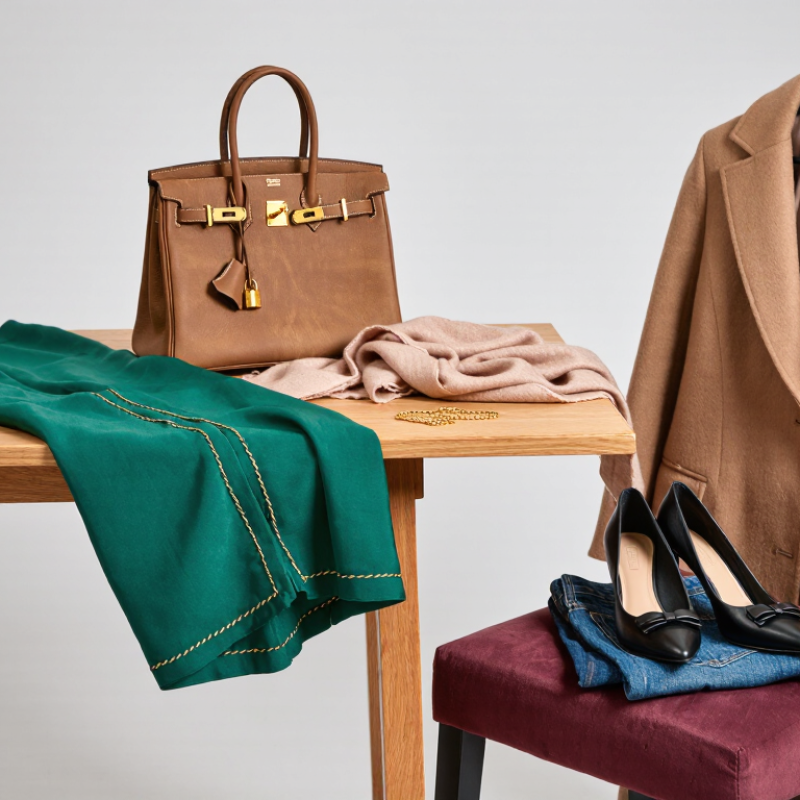
Second-hand designer clothes are previously owned garments created by established fashion designers. They are not simply used clothing. Design quality, material choice, construction, and documented history usually give them added value. In my experience, careful inspection matters more than a high resale price. A beautiful item can still have stretched fabric, missing buttons, or altered proportions.
The main categories include vintage pieces, contemporary pre-owned clothing, archive garments, and occasion wear. Vintage items often show older tailoring methods, distinctive fabrics, or historical silhouettes. Contemporary pieces may offer recent designs at lower prices. Archive garments are collected for their cultural or design importance. Occasion wear includes carefully preserved evening dresses, tailored suits, and formal separates. Condition varies widely. Some pieces look almost untouched, while others carry visible signs of use. That difference should be described honestly.
Tips: Check seams, labels, hems, fasteners, and fabric texture in bright light. Ask for measurements, not only the listed size. Review photographs for fading, repairs, odor, and uneven wear. A garment’s history can also affect its value, but vague claims deserve caution. Keep purchase records when possible. I once underestimated sleeve alterations on a tailored jacket; the repair cost changed its real value. Mistakes happen. That is why patience remains useful.
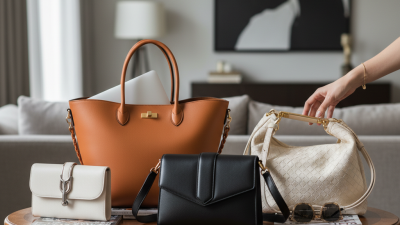
Classic designer handbags remain popular because they combine useful storage with lasting visual appeal. Structured shapes often keep their form, even after years of careful use. Soft leather may develop a deeper color and gentle creases over time.
When inspecting a pre-owned handbag, I check the handles, corners, lining, stitching, and metal fittings. Uneven stitching can suggest careless repairs, while dry leather may split soon after purchase. A clean interior is valuable, but faint pen marks are not always a serious problem. Small details matter. However, I once judged a bag too harshly because of surface scratches. After conditioning, most marks looked natural and attractive.
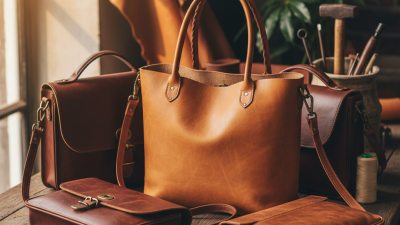
Everyday leather accessories deserve the same attention. Card holders, belts, compact wallets, and small pouches can show wear quickly because they touch keys, coins, and rough pockets. I examine edge paint, zipper movement, button strength, and areas where fingers repeatedly bend the leather. A strong construction usually feels balanced, not unusually light or stiff.
Reliable second-hand shopping requires more than attractive photographs. I compare measurements, request clear images, and ask about storage, repairs, odors, and moisture exposure. Original packaging can be helpful, but it does not prove authenticity by itself. Professional inspection is sensible for expensive pieces. Photos can mislead.
Condition should match the intended use. A gently worn wallet may suit daily errands better than a delicate, unused piece. Leather care also matters; too much product can darken or weaken some finishes. Mistakes happen, especially when sellers describe wear too generally.
| Item Type | Common Materials | Typical Use | Preferred Condition | Typical Second-Hand Price Range* | Key Inspection Points |
|---|---|---|---|---|---|
| Structured Leather Handbag | Full-grain, top-grain, or smooth leather | Work, formal occasions, and daily commuting | Very good to excellent; minor surface marks may be acceptable | US$150–US$900 | Check corners, handle attachments, stitching, lining, and shape retention |
| Top-Handle Handbag | Calfskin, textured leather, or coated canvas with leather trim | Dressy daytime use and events | Excellent condition is generally preferred | US$180–US$1,000 | Inspect handle glazing, closure hardware, base studs, and interior odor |
| Crossbody Bag | Grained leather, suede, nylon, or coated textile | Travel, errands, and hands-free everyday wear | Good to excellent; light strap wear is common | US$100–US$650 | Check strap adjustment points, edge paint, zipper function, and weight distribution |
| Shoulder Bag | Soft leather, suede, or durable woven fabric | Casual outfits, shopping, and daily use | Good condition with functional hardware | US$90–US$600 | Look for shoulder-drop distortion, color transfer, scuffs, and damaged lining |
| Clutch or Evening Bag | Leather, satin, velvet, metallic textile, or embellished fabric | Ceremonies, dinners, and evening events | Excellent condition; visible stains can strongly reduce value | US$70–US$500 | Inspect clasp alignment, embellishments, corners, chain, and fabric discoloration |
| Leather Wallet | Calfskin, cowhide, or vegetable-tanned leather | Cards, cash, receipts, and everyday organization | Good to excellent; moderate patina may be desirable | US$40–US$250 | Check card-slot stretching, snap or zip function, stains, and peeling edges |
| Card Holder | Smooth, grained, or embossed leather | Minimal everyday card storage | Good condition with firm slots | US$25–US$150 | Inspect slot tension, edge paint, surface scratches, and discoloration |
| Leather Belt | Full-grain leather with metal buckle | Smart-casual, office, and formal styling | Good to excellent; buckle scratches are usually manageable | US$30–US$180 | Measure total length, inspect buckle security, holes, cracking, and edge wear |
| Leather Accessories Set | Leather, metal hardware, and textile lining | Coordinated use for travel or gifting | Very good to excellent; complete components add value | US$80–US$450 | Confirm all pieces are included and compare color, wear, and hardware condition |
| Designer Knitwear | Wool, cashmere, cotton, silk, or blended fibers | Layering, office wear, and everyday outfits | Very good; minimal pilling and no stretching are preferred | US$50–US$350 | Check fiber content, moth damage, pilling, shrinkage, odors, and seam integrity |
*Price ranges are indicative resale estimates in U.S. dollars for unbranded category comparisons. Actual prices vary according to material, age, construction, condition, completeness, and market demand.
Pre-owned designer clothing works best when matched to weather, movement, and the event. According to ThredUp’s 2024 Resale Report, the global secondhand apparel market could reach $350 billion by 2028. That growth reflects changing buying habits, but quality still matters more than a low price.
For winter, look for wool coats, lined trousers, and cashmere knitwear with intact seams. Check underarm areas and cuffs carefully. Small marks can become costly repairs. Spring calls for lightweight jackets, silk shirts, and cotton dresses. Natural fabrics breathe well during changing temperatures. However, silk may show hidden pulls, especially near buttons and bag edges. Ask for close photographs before purchasing.
Summer events suit linen tailoring, unlined blazers, and breathable evening dresses. For weddings or formal dinners, inspect the hem, zipper, and lining. A garment can appear elegant online but feel restrictive after two hours. Autumn favors leather-free structured jackets, fine knitwear, and darker separates for work or travel. The Global Fashion Agenda and McKinsey have reported that resale is expanding faster than the broader fashion market, supporting more seasonal wardrobe circulation. Still, that does not guarantee every listing is reliable.
Prioritize exact measurements over the stated size. Request fabric details, alteration history, and evidence of wear. Fit remains imperfect. A slightly faded sleeve may be acceptable, while stretched shoulders can change the entire silhouette.
Personally, I would rather choose one repairable piece than three uncertain purchases.
Vintage designer pieces and collectible archive fashion offer more than recognizable labels. They preserve the design language of another era. A sharply cut wool jacket, hand-finished buttons, or unusual printed lining can reveal changing ideas about quality and identity. I have found that the most rewarding pieces often look quiet on a hanger. Their value appears through construction, fabric, and history.
Collectible archive fashion requires careful research. Check interior labels, stitching, fabric composition, hardware, and production details against reliable reference sources. Ask for clear photographs and a documented ownership history when possible. Measurements matter more than the marked size, especially with older garments. Condition should be described honestly, including fading, repairs, missing fasteners, or altered hems. A small imperfection can add character, but hidden damage changes the purchase decision. I still misjudge condition sometimes. Online images can flatter worn fabric.
Tips: Study comparable sales before buying. Choose sellers with transparent policies and strong specialist knowledge. Request close images of labels, seams, and fabric edges. Avoid rushed decisions. Wearability matters as much as rarity, because an unworn treasure can become an expensive storage problem. Consider professional cleaning only after checking the garment’s materials and construction. Delicate finishes may react badly to modern treatment. Keep receipts, photographs, and condition notes for future reference. When provenance is uncertain, treat the item as an interesting garment, not a guaranteed investment.
Vintage designer pieces and collectible archive fashion are especially valued when they have distinctive construction, recognizable historical silhouettes, quality materials, and strong links to important fashion movements.
The index represents relative collector interest on a 100-point scale, combining historical relevance, construction quality, scarcity, wearability, and long-term archive appeal.
Inspect cuffs, collars, hems, lining, and hardware under bright natural light. Small stains may disappear in pictures but remain visible in daylight. Ask for close images of stitching, labels, care tags, and fasteners. A label alone proves little. Consistent construction matters more. Measurements also deserve attention because older cuts can fit differently. Check shoulder width, chest size, sleeve length, and total garment length.
Authenticity requires evidence, not confidence. Request purchase records, detailed provenance, and clear photographs from several angles. Serial markings can support an assessment, but they are not absolute proof. For expensive pieces, use an independent authentication service with transparent methods. Avoid sellers who rush payment or refuse reasonable questions. Even experienced buyers can miss altered labels or replaced hardware. That possibility deserves honest consideration.
Value depends on condition, rarity, fabric quality, current demand, and repair costs. Compare completed sales rather than optimistic listings. Include shipping, cleaning, tailoring, and potential restoration in your calculation. A lower price may hide a damaged lining or expensive specialist repair. I would rather pay slightly more for clear evidence and accurate measurements. Still, condition grading can be subjective. One seller’s “excellent” may mean minor flaws are simply unmentioned. Ask for flaw descriptions in writing, then keep the conversation and photographs for reference.