A Used Brand Tshirt is more than a secondhand garment with a familiar logo. It is a previously owned shirt, often chosen for its fabric, design, fit, or connection to a particular brand. You may find one folded in a vintage store, hanging at a community resale shop, or listed by an individual seller. Small details matter: a softened collar, slightly faded print, repaired seam, or original care label can reveal its history.
Understanding a Used Brand Tshirt requires careful inspection, not just brand recognition. Check the stitching around the shoulders and sleeves. Look for stains beneath the arms, stretching near the neck, and cracks in printed graphics. Compare the stated size with actual measurements, because older shirts may shrink or follow different sizing standards. Reliable sellers should describe flaws clearly and provide sharp photos of labels, fabric, and wear. Brand tags can support identification, but they do not guarantee quality or authenticity by themselves.
The best choice depends on your purpose. A collector may value an unusual graphic, while an everyday buyer may prefer durable cotton and a comfortable fit. I have learned that “excellent condition” can mean different things to different sellers. That is worth remembering. A little fading may add character, yet hidden damage can become expensive frustration. This guide explains what defines a Used Brand Tshirt, how to assess its condition, and which practical questions deserve attention before purchase. Expect useful standards, but leave room for personal judgment. Clothing carries history, and history is rarely perfectly tidy.

A used brand T-shirt is a previously owned shirt identified by its original label, design, and construction. “Used” describes its ownership history, not necessarily poor quality. “Brand” signals the maker’s product identity, while “T-shirt” defines the garment category. These terms can overlap. A vintage piece may be used, but every used shirt is not vintage.
Product identity depends on more than a neck label. Inspectors should record fabric content, size, stitching, graphics, care tags, condition, and alterations. A faded label, replaced hem, or missing care tag can change the item’s description. The ThredUp 2024 Resale Report projects the global secondhand apparel market will reach 350 billion dollars by 2028. That growth increases the need for consistent terminology. The Ellen MacArthur Foundation also reported that clothing utilization has fallen by 36% compared with 15 years ago. Longer use matters, but resale language still needs precision.
Tips: Photograph the front, back, label, seams, and visible wear. State whether the shirt is washed, repaired, altered, or incomplete. Do not infer age from fading alone. A soft fabric may reflect repeated washing, not superior quality. No checklist is flawless. Even experienced graders can disagree about authenticity, condition, or era. A transparent description should acknowledge uncertainty instead of presenting an assumption as fact.
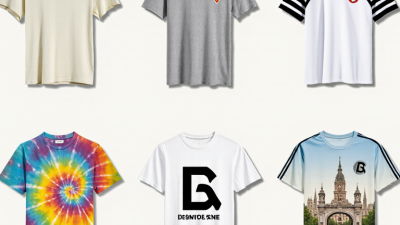
A used brand T-shirt is more than a faded graphic and a low price. Its authenticity emerges from several physical clues working together.
Check the neck label first. Examine its typography, spacing, fiber information, and stitching. Uneven lettering or a label sewn over older holes deserves caution.
Still, labels can be replaced, so one clue proves very little.
Fabric provides another useful signal. Textile Exchange reported that polyester represented about 57% of global fiber production in 2023. That figure explains why synthetic content appears frequently in older shirts.
Compare the fabric’s weight, stretch, surface texture, and fading with the garment’s claimed age. Authentic wear usually gathers around the collar, seams, and underarms. Artificial distressing often looks too evenly distributed. It can fool people.
Stitching reveals construction habits. Look for consistent thread tension, secure hems, and matching seam density.
Provenance strengthens the assessment: purchase records, original photographs, repair history, and a credible seller description all matter.
GlobalData’s 2024 resale analysis projected the global secondhand apparel market could reach 350 billion dollars by 2028. As resale expands, careful verification becomes more important.
I would not call any shirt authentic from photographs alone. Lighting hides flaws, and memory changes details. A hands-on inspection remains the most reliable step, supported by documented history and several matching construction clues.
What Is a Used Brand T Shirt?
How Condition, Rarity, Age, and Demand Determine Resale Value
A used brand T-shirt is a previously owned shirt with recognizable design, construction, or market interest. Its resale value begins with condition. Inspect the collar, seams, fabric weight, print, stains, and odor. A crisp neck rib and clean graphic usually support a higher price. Minor fading may be acceptable, but stretched fabric often reduces buyer confidence. Clear photos and honest descriptions matter.
Rarity can change the calculation. Limited production, unusual artwork, discontinued colors, or event-related designs may attract collectors. However, rarity alone does not guarantee demand. Some scarce shirts remain difficult to sell because few people want them. Age also needs careful evaluation. Older fabric, stitching, and label details can suggest authenticity, but age may bring brittleness, discoloration, or shrinkage. Keep measurements available, especially chest width and length.
Demand is often the strongest factor. Search completed sales, not only active listings, and compare similar condition levels. Seasonal interest can influence timing. I have seen sellers price a rare shirt too high because they focused on scarcity. It stayed listed for months. That was a useful mistake. A realistic price balances condition, rarity, age, and current buyer interest. Personal history may add meaning, but buyers usually pay for evidence they can verify. Photographs under natural light help reveal details, although lighting can still flatter worn fabric.
A used T-shirt’s resale value is influenced by more than age alone. This market-informed index shows the relative influence of condition, rarity, age, and buyer demand on resale potential. No brand-specific data is included.
How to read the chart: Condition and demand usually have the strongest immediate effect on resale value. Rarity can increase prices when fewer comparable items are available, while age tends to add value mainly when the shirt has historical or collectible appeal.
A used brand T-shirt is a previously owned shirt resold after inspection, cleaning, and condition grading. It may show light fading, softened cotton, or tiny signs of wear. These details often make each piece feel more personal. Buyers should check measurements, fabric content, seam condition, and clear photos before purchasing. A listed size is not always reliable.
The market is expanding quickly. The 2024 U.S. Resale Report estimates that American secondhand apparel could reach $73 billion by 2028. The same analysis expects resale to grow twice as fast as the wider clothing market. GlobalData’s 2024 apparel research also identifies resale as a major growth channel, supported by inflation, online access, and changing consumer habits. The Ellen MacArthur Foundation reports that clothing utilization must increase to reduce resource pressure. Resale helps extend a garment’s useful life, although it is not automatically sustainable. Shipping, returns, and frequent buying still create impacts. That part deserves more honest discussion.
Tips: Look for dense stitching, intact collars, and natural fabric wear. Measure a similar shirt at home. Ask about odors, stains, alterations, and washing history. Use reputable resale platforms with transparent grading policies. A cheaper shirt is not always better value. Sometimes, the imperfect choice is the more practical one.
A used brand T-shirt is a pre-owned garment with an original commercial label. Its value should depend on condition, not name recognition. Responsible resale requires checking seams, stains, odors, fabric strength, and care labels. A shirt may look clean yet show damage around the collar. That detail matters.
The environmental stakes extend beyond one wardrobe. The Ellen MacArthur Foundation’s A New Textiles Economy reports that one truckload of textiles is landfilled or burned every second. That image is difficult to ignore. UNEP’s 2023 textile value-chain report estimates that textiles create 2–8% of global greenhouse gas emissions. These figures use different boundaries and methods. Still, they reveal the pressure created by disposal, transport, and wasted materials.
Keeping one shirt in use longer may delay waste, but resale is not automatically sustainable. The European Environment Agency explains that collection, sorting, reuse, and recycling systems vary across Europe. A damp shirt, weak seam, or unclear fiber blend may be rejected. I have to admit, a secondhand label can feel greener than it is. Buyers should check fit, fabric condition, repair potential, and local care options. Small decisions matter. Not always enough.
| Impact Dimension | Reported Figure | What It Means for a Used T-Shirt | Evidence Basis |
|---|---|---|---|
| Global clothing disposal | About one garbage-truck load every second | Clothing that is no longer wanted is commonly sent to landfill or incineration. Keeping a wearable T-shirt in use can delay this disposal stage. | Global estimate published in 2017; the truck-load comparison is an approximate communication metric. |
| Annual textile waste | Approximately 92 million tonnes per year | The total includes discarded clothing and other textiles worldwide. A second-hand T-shirt is one way to extend the useful life of an existing garment instead of purchasing a new one. | Global estimate reported in 2018; values vary by definition, year, and data coverage. |
| Global garment production | More than 100 billion garments per year | High production volumes increase demand for fibers, energy, water, dyeing, finishing, packaging, and transportation before a T-shirt reaches a wearer. | Global industry estimate for the mid-2010s. |
| Clothing utilization | Average use fell by about 36% from 2002 to 2016 | Garments are being used for fewer wears before disposal. Buying a suitable used T-shirt and wearing it repeatedly can help increase the number of total wears per garment. | International clothing-use analysis published in 2017. |
| Fiber-to-fiber recycling | Less than 1% of clothing is recycled into new clothing | Most discarded garments are not converted back into equivalent-quality fibers for new garments. Reuse generally keeps the original garment intact and avoids immediate recycling or disposal. | Global estimate reported in 2017; the percentage refers to clothing recycled into new clothing. |
| Water footprint of a cotton T-shirt | About 2,700 litres of water | This commonly cited estimate represents the water required across the life cycle of a conventional cotton T-shirt. A used T-shirt does not require the full production footprint of a newly manufactured one. | Life-cycle estimate; actual water use depends on farming methods, location, processing, and electricity sources. |
| Textile-related greenhouse-gas emissions | Approximately 2%–8% of global emissions | The range reflects different system boundaries and calculation methods. Extending garment life can reduce the frequency of new production, although washing, drying, transport, and eventual disposal still matter. | International environmental assessments; the range is not a single universally agreed value. |
| Synthetic-fiber microfibers | About 0.5 million tonnes released annually | Washing synthetic textiles can release microscopic fibers into wastewater. Washing less often, using lower mechanical agitation, and following local filtration guidance may reduce shedding. | Global estimate published in 2017; results depend on garment type, washing method, and wastewater treatment. |
| Value of extended use | Doubling a garment’s wears can cut its emissions by about 44% | The reduction is linked mainly to avoiding production of replacement garments. The actual benefit depends on how the garment is washed, dried, transported, and eventually disposed of. | Life-cycle assessment published in 2012 for clothing use in the United Kingdom. |
| Best end-of-use priority | Reuse before recycling or disposal | For a clean, wearable T-shirt, continued use or resale generally preserves more of the product’s original value than immediate recycling. Damaged garments may be suitable for repair, repurposing, or textile recycling where available. | Consistent with widely used circular-economy waste-prevention principles. |
Note: Figures are global estimates or study-based ranges. Actual impacts vary according to fiber type, garment weight, production location, washing habits, transport, reuse duration, and disposal method.